
BY SIMONE J. SMITH
I have always praised LinkedIn as being a wonderful, and powerful connection tool. If you utilize this well, you can move quickly from one point in your career to the other. Why am I telling you this? It is the genesis point of this report, and it is where I happened to meet L.A. Wade, a Registrar at the University of Toronto. We quickly grew an online connection, and it all came together when L.A. invited me to the University of Toronto, to not only report but to be a part of a series of workshops called World Café Conversations. When she invited me, I was instantly intrigued, but there was no indicator that the experience would be what it was. Before we go into the details of this experience, let us learn a little bit about who is involved in coordinating this event, and what this means to you.



World Café Career Conversations
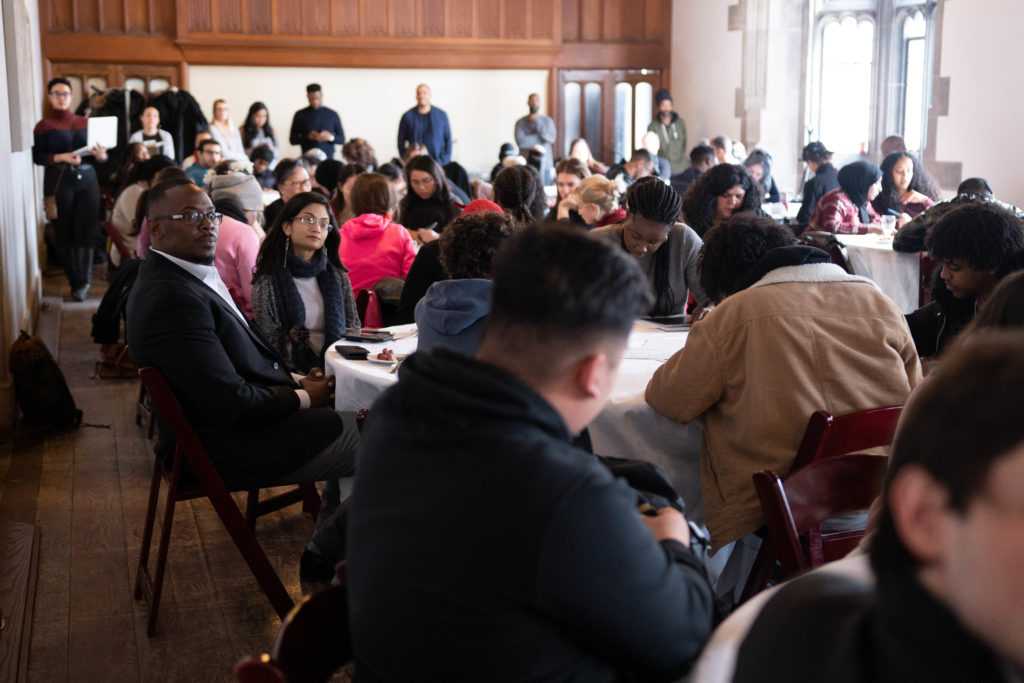
We arrived at the Hart House at 9:30 am, where we were greeted with a marvellous continental breakfast. I took a quick scan of the room and saw a room of professionals that represented the underrepresented: Indigenous, African/ Black/ Caribbean, Asian, LGBTTI2SQQ+ and First Generation were all in attendance. We had a small meeting with the organizers of the event L.A.Wade, and Professor Lance McCready; they explained that the goal of the event was for the students to meet professional role models who reflected their shared identity and lived experiences. The event was to provide structured conversations between the students, and the mentors, offering them a safe space to ask questions that will allow them to gain valuable insight about careers they are interested in.

The Transitional Year Programme is quite unique; outside workshops like World Café Conversations, they provide students with counselling and funding options, a space to work, and an opportunity to socialize with other students in the program. The program admits approximately 60 students, and has a faculty of ten, a registrar, an administrator, and a program assistant, all who are involved in: helping students upgrade their skills, providing intensive supporting counselling, and increasing the confidence of students who before this program, did not think they had a chance.