

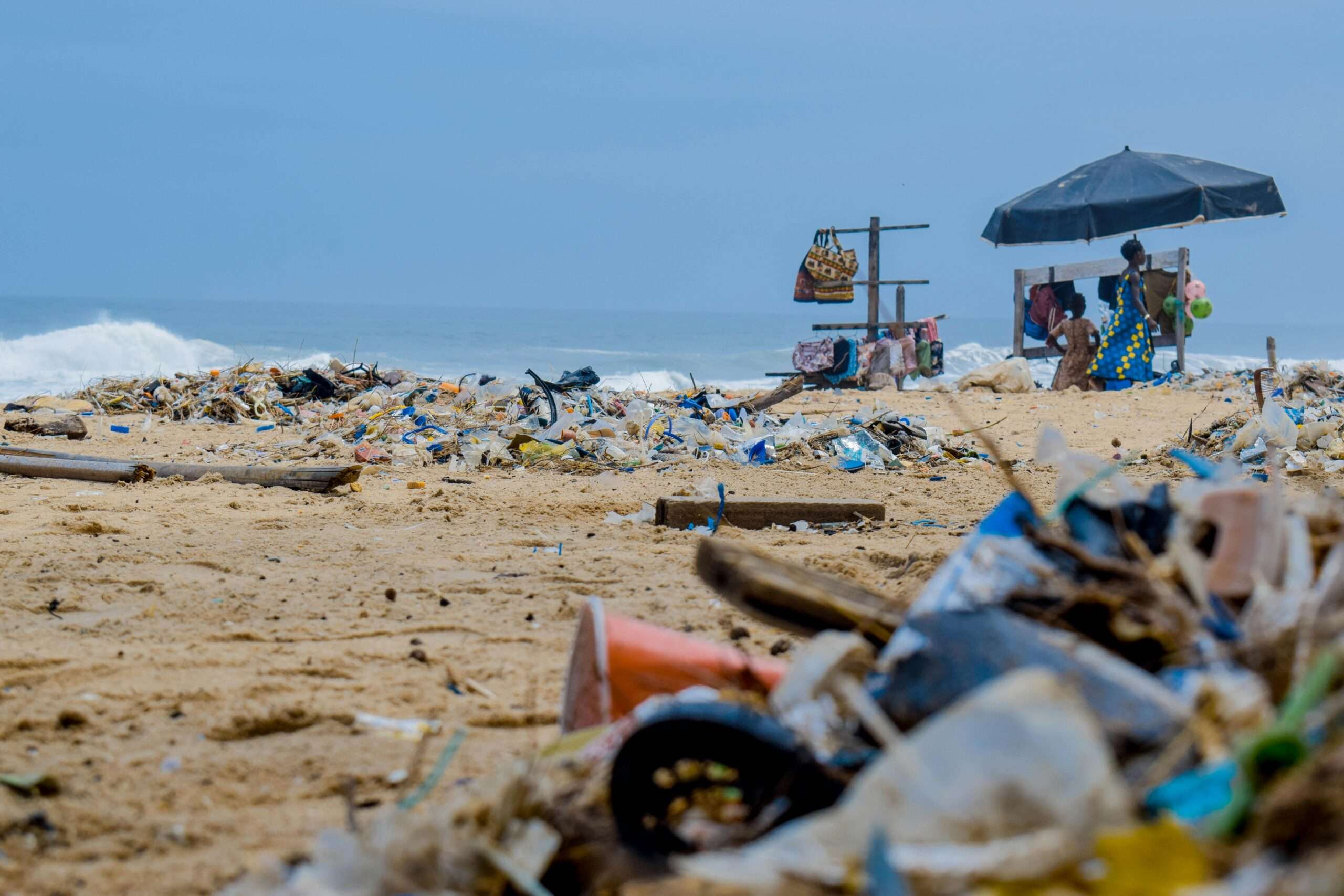

Could plastic be what’s pushing oncologists to question why more young women with no family history are developing breast cancer?
The Canadian Association of Physicians for the Environment reports that anesthetists in neonatal units are losing sleep over plastics. They worry about the long-term effects on babies’ reproductive health.
Family doctors are sounding alarms too. They are concerned about communities living near plastic plants where cancer and chronic illnesses seem more than coincidental.
If that weren’t enough, we now face constant exposure to: microplastics, chemical additives, and endocrine disruptors. These harmful particles are found in our: placentas, breast milk, and blood. Plastics have infiltrated every part of human biology.
This isn’t just about waste, or pollution. According to the report, plastic exposure is a full-blown health threat, one that’s quietly damaging: development, fertility, and long-term wellness.
It gets worse.
Pregnant women exposed to a common clothing dye face a higher risk of gestational diabetes—specifically when carrying male fetuses. That’s the finding of a recent U.S. study.
Gestational diabetes already affects about 8% of pregnant women each year. It raises the risk of babies being born too large and struggling with blood sugar issues, obesity, or diabetes later in life.
Published in the Journal of Exposure Science and Environmental Epidemiology, the study is the first to link o-anisidine (an aromatic amine used in dyes) to gestational diabetes.
“The clothes people wear shouldn’t come with this hidden risk to their health,” said Emily Lasher, the study’s lead author and science associate at UC San Francisco’s Program on Reproductive Health and the Environment.

First plastic. Then toxic dyes. Now, let’s talk about Forever Chemicals and the toxic trail they leave behind.
A national report by the Waterkeeper Alliance uncovered sky-high levels of PFAS (per- and polyfluoroalkyl substances) in South Carolina’s Pocotaligo River, the most contaminated waterway in the country.
Communities who eat fish from this river, and others downstream, are at risk. Researchers traced the pollution back to an aging wastewater treatment plant in Sumter, which serves nearly a dozen industries. These include metal coating factories, plastic manufacturers, chemical producers, textile mills, and even military bases.
Shaw Air Force Base was named among the culprits, having released PFAS that polluted groundwater near local trailer parks.
Let’s return to plastics, because even marine life isn’t spared. According to ecologist Chelsea Rochman, “Every single piece of plastic we have ever produced is still around today in some form.”
Ocean fish show traces of plastic in one in four samples, but fish caught in Lake Ontario. Every single one contains plastic.
Since 1950, humans have produced more than nine billion metric tons of plastic, the equivalent of 27,000 Empire State Buildings, or over a billion elephants. Think about that.
What about your drinking water? Guess which U.S. city has the worst tap water? If you said Chicago, you’re right.
Chakena D. Perry, Senior Policy Advocate at the Natural Resources Defense Council, remembers what it was like growing up there. “It was just one of these unspoken truths within households like mine (low-income, Black households) that there was some sort of distrust with the water,” she said.
Chicago has more lead service lines than any other U.S. city. Perry now works with a coalition fighting to enforce stricter rules and accelerate the removal of these toxic pipes, but the city is still 30 years behind its replacement timeline.
What’s the lesson in all this?
We (especially those of us in Canada) must be vigilant about what we wear, eat, and drink.
We are being targeted, whether through corporate neglect, government inaction, or environmental racism, and the clock is ticking.
Stay in the loop with exclusive news, stories, and insights—delivered straight to your inbox. No fluff, just real content that matters. Sign up today!