


When I read about University of Toronto Scarborough researcher Olivia Bernard’s groundbreaking work on how racial stereotypes follow Black girls into the classroom, it felt like recognition. For me, this is: a lived experience, a memory, and a full-circle moment.
I first met Olivia during my Transitional Year Programme (TYP) at U of T, where she was a teaching assistant in my City Studies class taught by Professor Ahmed Allahwala. This course taught me how: policies, theories, and planning decisions shaped the neighbourhoods I grew up in. From Regent Park’s original design to the Toronto housing complex near Yorkdale Mall, I began to understand the systemic reasons why specific communities (our communities) were pushed to the margins.
Back then, Olivia’s focus was already clear: she was exploring the barriers facing Black girls in education. Sitting in her tutorial room, I was living proof of the very inequities she studied. The phrase “Knowledge is power” stopped being a cliché.
The weight of stereotypes
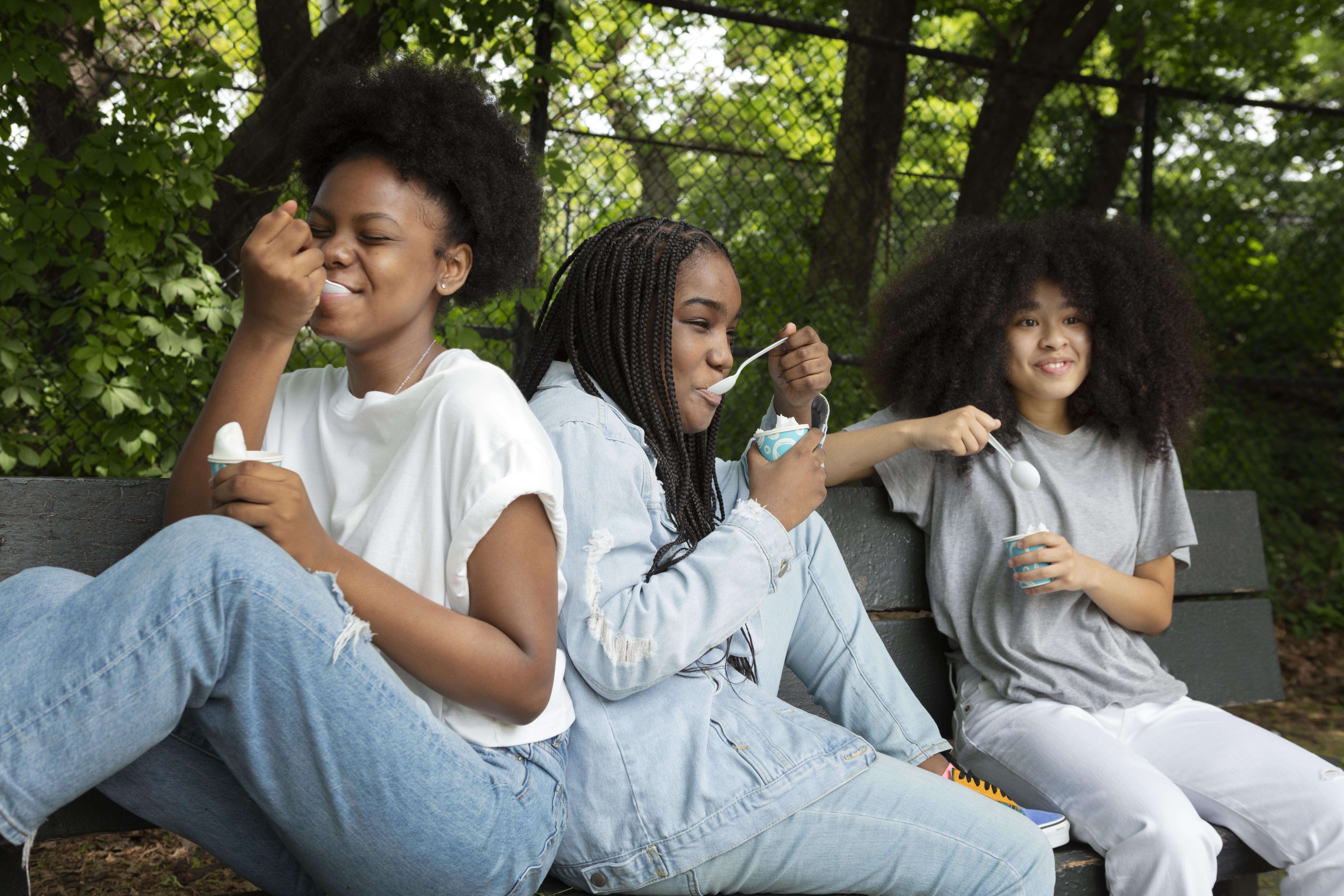
Bernard’s research has revealed patterns that too many of us know all too well. A laugh misread as “loud.” A question was misinterpreted as “aggressive.” Black girls are disciplined faster and harsher, their names more often attached to suspensions and detentions. These micro-perceptions, filtered through anti-Black stereotypes, harden into official records that shape academic futures.
It doesn’t stop at discipline. Streaming into non-university courses, the absence of Black teachers in leadership roles, and the constant surveillance from hall monitors and administrators tell Black girls a damaging story; your future is limited. Bernard highlights how rarely Black girls see themselves as principals, or professors. Instead, the reflection too often comes in the form of hall monitors, or assistants. That absence narrows dreams before they even have the chance to expand.
As a Jamaican woman who grew up in a low-income neighbourhood within the GTA, I carry these truths in my own story. I know what it means to be: underestimated, mislabeled, and overlooked in classrooms that never expected brilliance from girls who looked like me.

At TYP, I learned that my struggles weren’t personal failings, but systemic. That awakening gave me language to describe the reality I had lived since childhood. Olivia’s research shows today’s Black girls something just as powerful: evidence. Proof that their experiences are not: imagined, exaggerated, or isolated.
Beyond the classroom
The implications of Bernard’s work ripple far outside school walls. For many Black girls, the day begins early: getting siblings ready, preparing meals, walking younger children to school. By the time they reach class, they’re already carrying adult responsibilities. Add to that constant scrutiny in hallways and classrooms, and the weight becomes almost unbearable.
This dual burden of home responsibility and institutional surveillance chips away at academic progress and feeds a dangerous cycle of lowered expectations and limited opportunity. Bernard’s call for systemic change: more Black teachers, equity in course streaming, and better staff training. It’s about reshaping futures.
A full-circle moment
Seeing Olivia’s research published in 2025 feels surreal. From sitting in her tutorials as a student to reading about her as a U of T Scarborough researcher, I am reminded of how far we’ve both come. It is a joy layered with pride; pride because, like me, she’s Jamaican. Yardie to yardie, I feel exuberant seeing one of our own transforming the academy with knowledge rooted in justice.
As someone who now writes for the Toronto Caribbean Newspaper, I can confidently say this matters for our community. When Black girls are given room to thrive, the whole community thrives.
Looking ahead
Bernard herself says she wanted to be the change she didn’t see. She is planting seeds of radical possibility in the next generation of UTSC students by teaching the course that once transformed her. Her story proves that when research meets lived experience, it moves in the world, reshaping it.
Olivia Bernard’s work validates and provides a roadmap for Black girls in Toronto schools today. For the rest of us, it’s a challenge to stop excusing systemic barriers, dismantle stereotypes, and make space for the brilliance that has always existed.
For me, personally? It’s a reminder that sometimes life comes full circle. The people who once helped you see your power become the very ones carrying the torch forward for the next generation.
Stay in the loop with exclusive news, stories, and insights—delivered straight to your inbox. No fluff, just real content that matters. Sign up today!