


Large public builds have a way of costing far more than promised. Toronto’s Union Station overhaul is a prime example. Initially pegged at $624 million, the project ballooned to nearly $1 billion and ran years behind schedule.
Mega projects often spiral out of control. Timelines slip. Budgets explode. Expectations vanish. Once the photo ops fade, taxpayers are left holding the bill while politicians and corporations move on.
Take Spain in the 1990s. A massive housing project outside Madrid promised tens of thousands of homes. Land was handed to private developers at almost no cost. Regulations loosened. Billions poured in, but when the economy crashed, the work stopped. The unfinished condos now sit empty, many too unsafe to salvage. The private sector walked away with billions. The Spanish public was left buried in debt.
That’s the danger of public-private partnerships done wrong. In Spain’s case, iron-clad contracts shielded corporations while leaving taxpayers exposed. Those agreements gave private firms total financial control, ensured debt remained a public burden, and freed contractors from accountability.
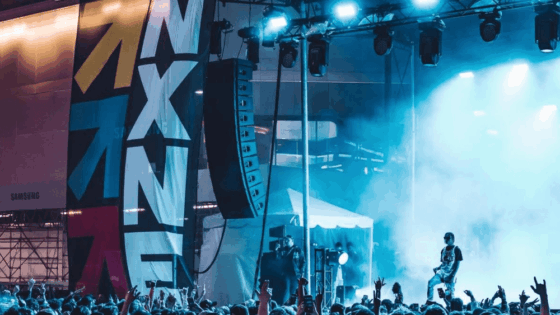
It’s a story Serbia seems poised to repeat. The government is pouring public money into a 52,000-seat national stadium, touted as a symbol of Serbian pride ahead of Expo 2027. Yet, construction hasn’t even started. Costs have soared, corruption probes are underway, and basic safety and environmental reviews were ignored. Contractors enjoy unchecked freedom while the project’s finances remain opaque.
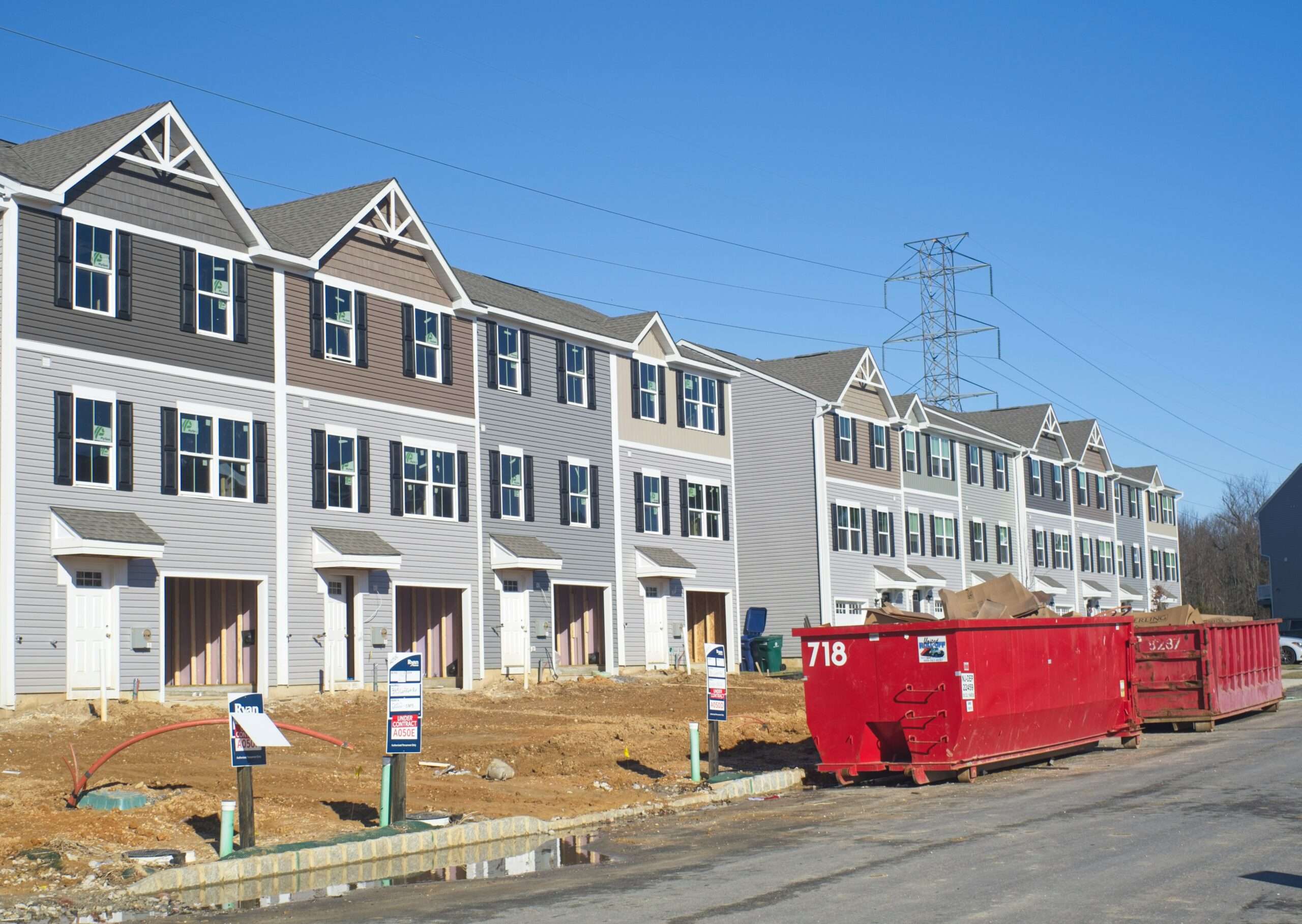
Now, Canadians should ask hard questions about our own government’s secretive deals. The Ford Administration’s partnerships with private corporations for housing builds, EV plants, and battery factories mirror these patterns of secrecy and risk. Billions in public funds have been handed to corporate giants through non-disclosure agreements the public can’t access.

If this sounds familiar, it should. Lack of transparency is the private sector’s favorite tool, and politicians often play along.
- Where’s the public oversight?
- Who signed these deals?
- How much was loaned, at what rate, and for how long?
- Can these corporations walk away without paying us back?
Perhaps most importantly, has anyone in government, or the corporate sector personally benefited?
When public funds become private leverage, accountability vanishes. Governments tout “job creation” and “innovation,” but the reality often looks different. Temporary employment. Inflated costs. Quiet profits. Then silence.
Mega builds, from Olympic stadiums to massive infrastructure projects, rarely deliver lasting social, or economic benefits. They feed political egos, generate glossy photo ops, and create short-term boosts in employment, but leave long-term public debt. The few who profit are those closest to the contracts.
True transparency requires power to investigate beyond politics. Ontario’s Auditor General and Ombudsman must have full authority to review contracts and trace every dollar without government interference. That is the only way to protect public money and restore trust.
Until then, taxpayers will keep funding the photo ops while others pocket the profit.
Stay in the loop with exclusive news, stories, and insights—delivered straight to your inbox. No fluff, just real content that matters. Sign up today!