


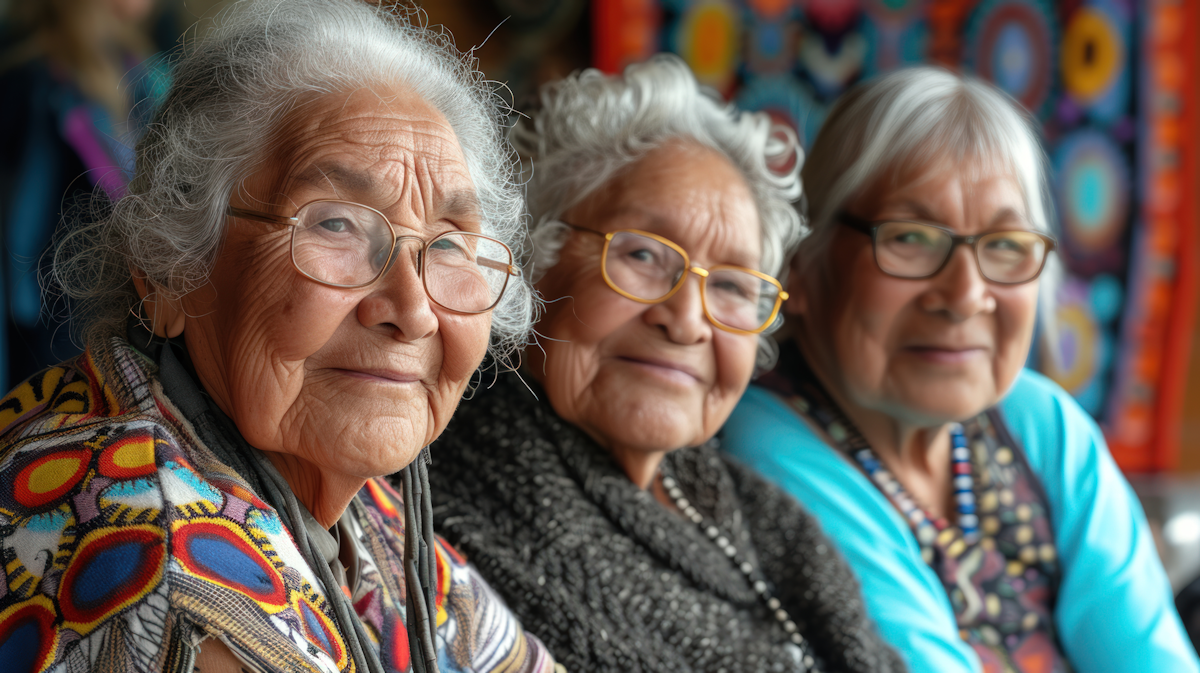

If you have ever felt utterly unseen, maybe in a crowded room, or a bureaucratic line, you know the deep psychological toll of invisibility. Now, imagine that feeling compounded by vulnerability, illness, and the necessity of seeking long-term care, a space that should feel like home, but often doesn’t quite fit the narrative of your life.
This is the hidden crisis faced by many seniors: the quiet anxiety that, when they are most dependent, they will be asked to shed the very markers of their identity: their language, their specific traditions, their comfort foods, and their deeply held beliefs, in exchange for mere medical assistance.
“What makes care truly “quality care” is the environment that creates a genuine sense of belonging.”
For too long, the system prioritized logistics over the person, but a powerful shift is underway, one rooted in the understanding that emotional security is the bedrock of physical health. When we talk about expanding access to culturally appropriate long-term care in Ontario, we are talking about affirming dignity and preserving identity.
What makes care truly “quality care” is the environment that creates a genuine sense of belonging. This expanded model, now rolling out across 59 recognized long-term care homes, serves as a profound affirmation that seniors should receive care tailored to their unique cultural, religious, ethnic, and linguistic needs and preferences.
This approach is inherently psychologically aware. It acknowledges that forcing someone in crisis to assimilate can hinder recovery and drastically lower their quality of life. By implementing this placement model, the government is ensuring that crisis applicants (those with the greatest immediate need) can access homes where staff and volunteers may speak their specific language, where culturally tailored activities are the norm, and where the meals respect their faith, or heritage. This commitment allows residents to maintain their customs, traditions, and language in daily life, transforming a place of care into a true home.
We are seeing proof points that this matters deeply. Results from the initial testing phase at 29 homes confirmed that residents of these culturally aligned settings gain better access to care that truly meets their needs without negatively impacting the placement of other applicants. Leaders in the community are voicing the palpable relief this change brings, understanding that when care honours language, culture, and faith, residents feel understood, safe, and genuinely connected to their community. This framework ensures seniors can access services that reflect their language, faith, food, and traditions, even while prioritizing those with the greatest needs for placement.

The dedication to the whole human heart doesn’t stop there. The government is also significantly increasing the number of designated Reunification Priority Access Beds (RPABs). For families, the stress of a long-term care placement is often doubled by the fear of separation from a spouse, or partner. By dedicating these beds for crisis applicants seeking to be reunited with their loved one already residing in a particular home, the system is actively supporting the continuity of the most vital human relationships. These changes ensure more residents are connected directly with their loved ones, enhancing both resident experience and quality of life.
“If you want people to thrive, you must first allow them to remain who they are.”
The key takeaway here is subtle, but powerful: the commitment to culturally responsive care respects identity, traditions, and linguistic needs because it is, in fact, “An obligation under the Fixing Long-Term Care Act, 2021“ to ensure resident-directed care that responds to a resident’s physical, psychological, emotional, social, spiritual, and cultural goals. When the governing structures mandate respect for the full spectrum of human needs (not just the medical ones) we collectively affirm that personalized care is essential to ensuring every resident is treated with the dignity and respect they truly deserve.
This quiet revolution in long-term care placement signals a critical understanding: if you want people to thrive, you must first allow them to remain who they are. The greatest influence we can wield in community well-being is simply to create an environment where the deepest needs for belonging and identity are met implicitly, restoring power and comfort during life’s most vulnerable moments.
Stay in the loop with exclusive news, stories, and insights—delivered straight to your inbox. No fluff, just real content that matters. Sign up today!