



In Toronto, HIV often lives in the space between silence and assumption. It is present, yet often unspoken. Many families, churches, friendships, and social circles carry deep compassion for people facing illness, yet HIV still sits behind discomfort, euphemism, and distance. That distance carries consequences, when people assume HIV belongs somewhere else, testing can slide to the bottom of the list, conversations can grow quieter, and treatment can begin later than it should. In a city as connected and diverse as Toronto, HIV deserves to be understood as a present community health issue and a matter of dignity, knowledge, and timely care.
In Ontario, people who reported their race or ethnicity as Black accounted for the largest proportion of first-time HIV diagnoses in 2023, representing 37.8% of cases. Some people notice flu-like symptoms, rash, fever, or swollen glands soon after infection, while others experience very subtle changes, which makes testing the clearest path to certainty. Across the province, about 23,000 people are living with HIV, and 3,000 are estimated to be undiagnosed. Those figures matter because an undiagnosed infection can quietly affect the immune system over time. The immune system is the body’s defence network, helping to fight infection and disease. Early diagnosis opens the door to treatment that protects health, reduces complications, and supports longer, fuller lives.
Within Caribbean and Black communities, stigma remains a central barrier; shaping whether someone seeks a test, asks a question, or shares a concern with a healthcare provider. In our communities, stigma shows up in how we gossip, our fear of disclosure, anxieties about confidentiality, or the belief that an HIV test reveals something fixed about a person’s character. Fear, stigma, health beliefs, and lack of information were found to be among the most frequent barriers to HIV testing and prevention for African, Caribbean, and Black communities, alongside racism, cost concerns, and gaps in culturally responsive care.

Many heterosexual Black men in Toronto reported to have lower perception of personal risk shaping HIV testing behaviours, despite higher rates of diagnosis in Black communities. This disconnect has consequences. HIV can remain undetected when people feel far removed from it, and that pattern speaks to our social environment around risk, trust, information, and access. It also carries economic implications for households, because later diagnosis can bring more complex care needs, time away from work, added transportation costs, and greater strain on families who are already managing high living costs in the city.
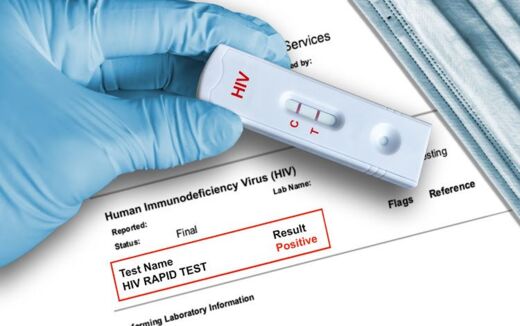
HIV testing options in Toronto are more accessible, including anonymous testing, which means the test is ordered with a unique code rather than a person’s name, and rapid testing can provide an initial result within minutes, with follow-up laboratory confirmation when needed.
So, who should be getting tested? People who have had a recent exposure, who are beginning a new sexual relationship, or who have ongoing exposure benefit from speaking with a provider about regular testing, because the right schedule depends on circumstance and risk. Toronto residents can access testing through sexual health clinics, community agencies, and other healthcare providers, and Toronto Public Health points people to anonymous testing through its sexual health clinics and the Sexual Health Infoline Ontario.
Preventative tools, like PrEP is taken before possible exposure to help prevent HIV, PEP is emergency medicine that should begin within 72 hours after a possible exposure, and U=U means undetectable equals un-transmittable, which tells us that a person living with HIV who is on effective treatment and has an undetectable viral load can protect sexual partners from transmission.
For Toronto’s Caribbean and Black communities, the path forward begins with candour and care. HIV and other STI testing should become part of routine health maintenance, much like checking blood pressure or blood sugar. When we bring HIV into the open with accuracy and compassion, we create conditions for earlier testing, stronger treatment uptake, and healthier communities.
Stay in the loop with exclusive news, stories, and insights—delivered straight to your inbox. No fluff, just real content that matters. Sign up today!