


BY WAZARI JOHNSON
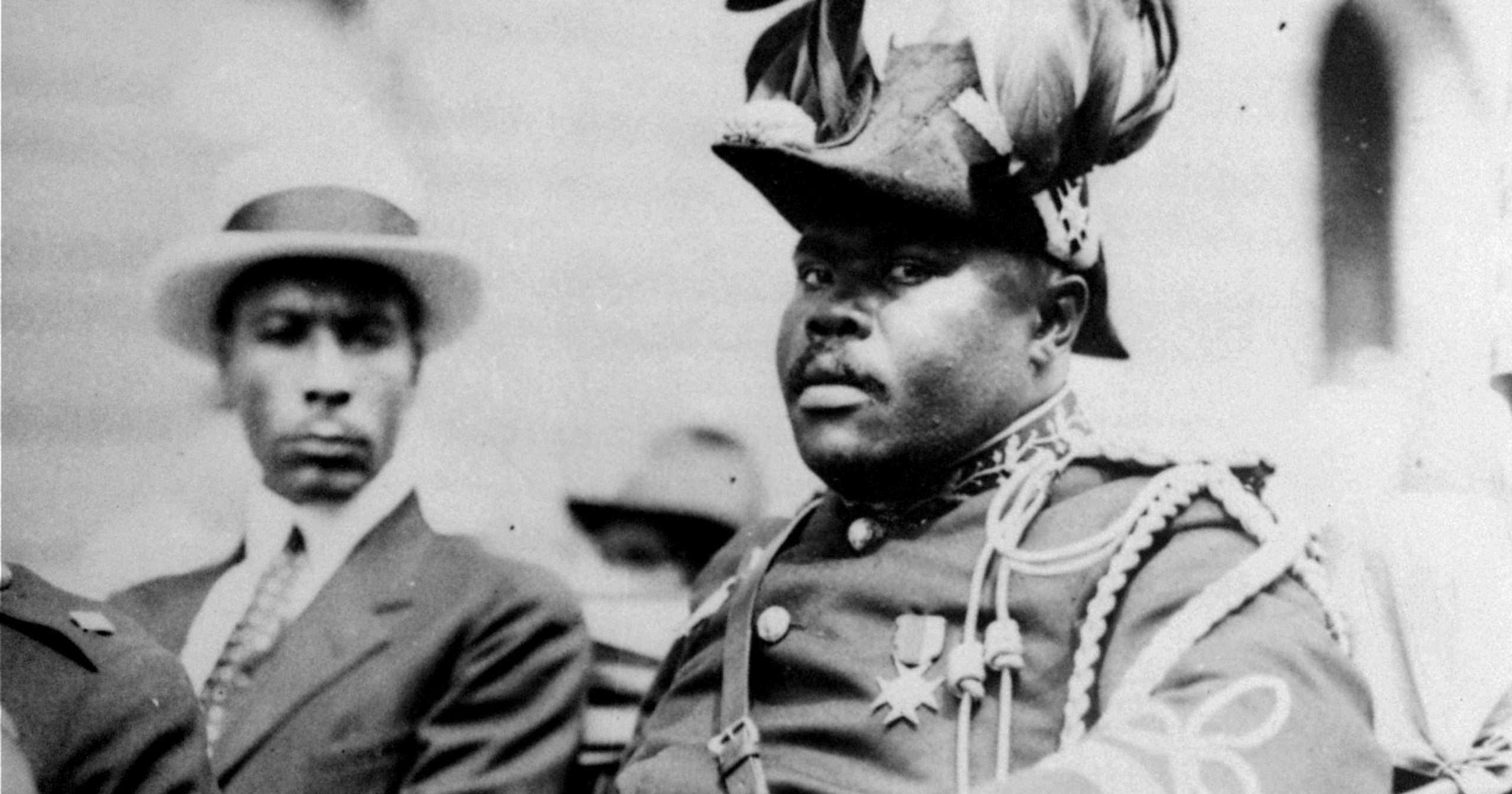
I love my island home Jamaica, but there are aspects of living here that I find to be questionable. One of the things that have boggled my mind is the way we relate to our first national hero, Mr. Marcus Mosiah Garvey.
There is a lot of lip service given to his importance, but how you treat someone (or their legacy) speaks louder than what you have to say about them.
I find it very uplifting that this keen intellect that was a production of Jamaica, the garden parish of St. Ann to be precise, wrote and spoke in such volumes. So much so, that, if integrated into our modern school curriculum, it could elevate the minds of Jamaican children and I mean all children, not just ones of African descent.

Growing up in Jamaica, I knew who the man was as far as him being a national hero. However, I knew nothing really of his actual work until I became a teenager, and I was deeply impressed by what I learned about his thoughts and ideologies, especially in the area of African economics.
In March of 1916, Mr. Marcus Mosiah Garvey arrived in the United States of America with the hopes of uniting his efforts with those of another prominent African American thinker, Mr. Booker T. Washington. Mr. Garvey had great admiration for Mr. Washington and especially had high regard for his opinion on black business ownership and black economics. Unfortunately by the time he got to the United States, Booker T. Washington had died.
While Mr. Garvey respected Washington and his ideas, he was of the opinion that Booker T. Washington’s vision was not expansive enough. Mr. Washington’s vision was that of a more individualistic approach, while Garvey believed we would be a more formidable force if we were economically united, and had a stronger sense of community bound to our economic development. Garvey believed that individual profit motives would significantly impede group advancement; so as a means to promote the collective interests of African Americans, Garvey sought to use collective decision making and group profit sharing. This resulted in a Nationalists version of Booker T. Washington’s black economic vision, and by extension it resulted in a mass organization supported by millions of African Americans.
Interestingly enough Marcus Garvey went to his own Jamaican people with this plan and they out rightly rejected him. This is a lesson which we need to learn. Often times we deride people who might very well aid us in our advancement; but, because they are “familiar”, we deem them too “common” to be carrying anything of value to us and we lose out on something significant.
Though Garvey had a lot of critics such as W.E.B DuBois, who suggested that the business ventures started by Garvey failed because of economic ineptitude and incompetence, it is vitally important to note that Garvey’s efforts was an important catalyst in his day and age. The ill-fated ventures evolved into the conceptual and procedural model for future achievements in economic development for African Americans.
I decided to write this article, because of the atrocious way in which George Floyd was murdered. I am as angry as everyone else who is protesting, but after the protest what’s next? What’s our next move?
It was Marcus Garvey who said, “The Negro is ignored today because he has kept himself backward; but if he were to raise himself to a higher state in the civilized cosmos, all the other races would be glad to meet him on the plane of equality and comradeship.”
It was estimated that African Americans spend $1.2 trillion annually, $1.2 trillion United States dollars!! But as a community what do we promote as brands to spend this enormous sum of money on? European name brands; from European designers, alcohol brands at high prices, fancy cars being sold by other ethnic groups and jewelry sold to us by other communities.
Black celebrities and influencers encourage this. Television networks branded as “black entertainment” encourages this.
I watch other networks where “sharks” are encouraging entrepreneurship and venture capitalism, but, the “black entertainment” networks feed us music videos day and night with people telling us how they use to sling “rocks.” They share how they party and get drunk, refer to black queens as hoes and refer to my king brothers using the “N” word.
All this indicates that we are lost as a people. Why is it we don’t see black billionaires and millionaires investing in black ventures on black television? Could it be, because we have a lack of knowledge about ourselves? Could it be, because we only know of a history that starts on a ship, travelling to America and the Caribbean in our own body waste? Could it be, because our history is not taught to us in a way to show that it originated from much further than cotton and sugar cane fields? Could it be, because we are trees without roots?
I will continue to look at this issue of black economics in a future article, I think it is important to look to our past for lessons for the future. Marcus Garvey said, “A people without knowledge of their past history, origin and culture is like a tree without roots.”
Stay in the loop with exclusive news, stories, and insights—delivered straight to your inbox. No fluff, just real content that matters. Sign up today!