


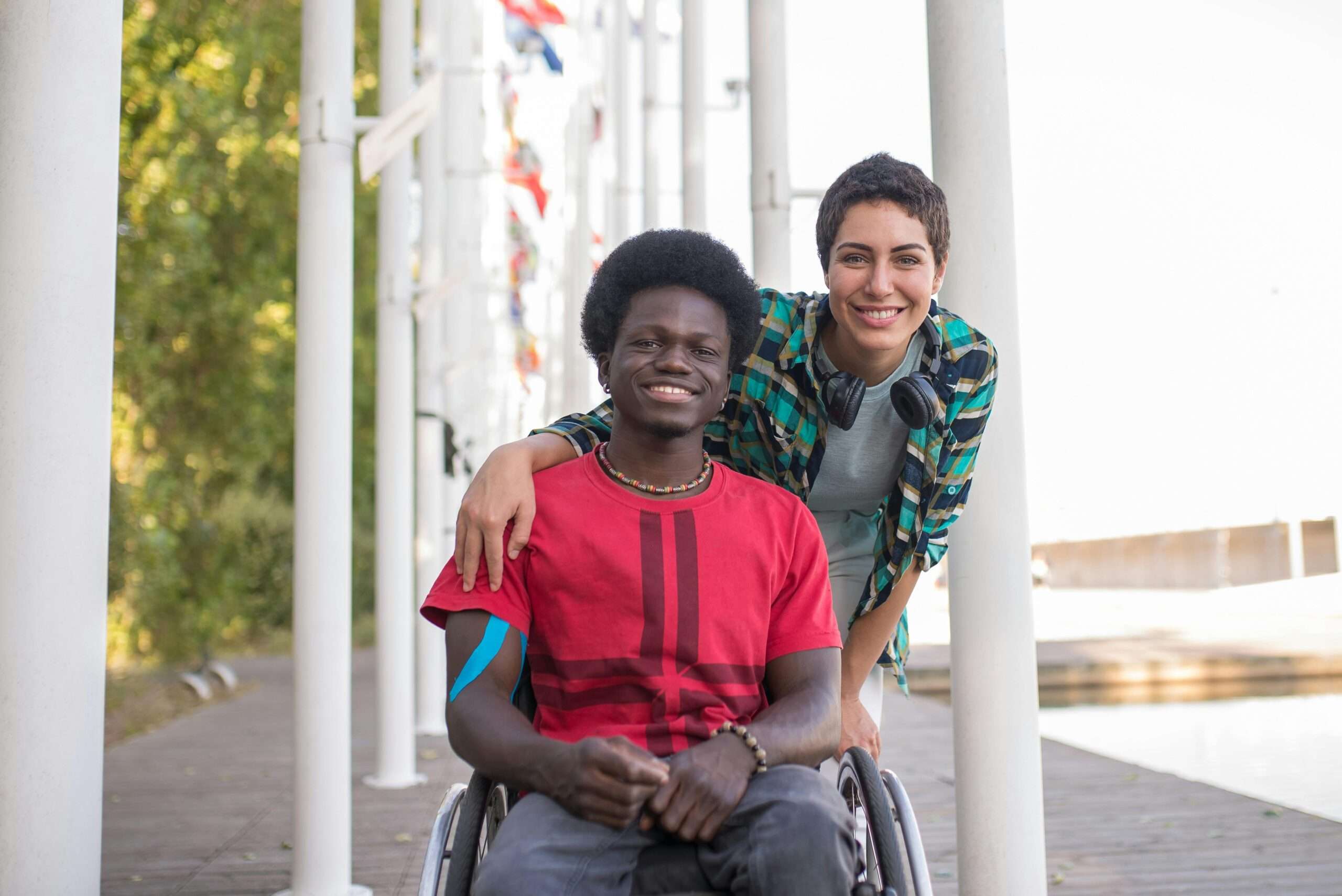

Caribbean Canadians with disabilities face what researchers call a “triple barrier” the challenge of living with: disability, racial discrimination, and immigration-related obstacles. This creates a hidden crisis affecting thousands of families across the Greater Toronto Area, where cultural stigma intersects with systemic barriers and complex government programs.
Canada has launched its groundbreaking Canada Disability Benefit in June, offering up to $2,400 annually, advocates worry that many communities, like Caribbean diasporic communities may struggle most to access this transformative support.
Today, 27% of Canadians aged 15 and older have disabilities, which is about eight million people. This is a 5-percentage point increase since 2017. A similar trend can be seen in the Caribbean, where over 85 million people with disabilities live in Latin America and the Caribbean, according to World Bank data. When family members are included, disability exclusion affects nearly 195 million people in total. This means that families and caregivers also face reduced access to services and economic opportunities, because of their caregiving duties and systemic barriers.
The employment gap for Canadians with disabilities aged 25-64 have a 62% employment rate compared to 78% for those without disabilities, a 16%-point gap. For Caribbean Canadians, this gap widens further. Black Canadians already earn $3.92 less per hour than non-visible minority Canadians and face higher unemployment rates, which impact those with disability dramatically.

World Bank research shows the economic impact extends beyond individual earnings. “The effect of these types of poverty traps diminishes the overall household income,” by approximately 10% in households with disabled members. For Caribbean families in Canada, this economic vulnerability combines with cultural barriers and systemic discrimination to create multiple layers of exclusion. While showing that in the broader Caribbean and Latin American region, “Ethno-racial minorities with disabilities are 30 percent less likely to complete school,” compared to their peers without disabilities. This pattern of compounded discrimination extends to Caribbean diaspora communities in Canada, creating long-term economic consequences.
Disability rates are rising fastest among youth aged 15-24, jumping from 13% to 20% between 2017 and 2022. Today’s gaps will shape entire communities’ futures. Factors such as gender, race, ethnicity, sexual orientation, and gender identities continue to lead to compounded disadvantages, exacerbating the effects of disability discrimination. Caribbean women and members of the LGBTQ+ community face significant challenges due to these intersecting identities. Caribbean women experience “double discrimination” at the intersection of gender and disability, with legal frameworks historically failing to address their specific needs.
Mental health stigma continues to be a concern, shaped by historical and cultural factors as well as limited access to trusted services. Increasing awareness, culturally grounded approaches, and the rise of Black mental health professionals are helping to shift narratives and expand support for Black and Caribbean communities. Community-centric organizations like the Ase Community Foundation for Black Canadians with Disabilities focus on ‘collective liberation,’ honouring both Black and disability experiences. Race and Disability Canada works to address the intersections of race and disability, while the Federation of Black Canadians launched the Black Accessibility Knowledge (BLAcK) Hub, Canada’s first comprehensive, Black-centered accessibility resource.
Canada’s 2024 Budget included funding to help cover the cost of medical forms for disability applications and to expand community navigation programs. However, many systemic challenges remain. For example, cultural and language differences can make it harder for some communities to navigate the system, particularly when combined with the complexity of Canada’s benefit programs. Accessing the new Canada Disability Benefit first requires qualifying for the federal Disability Tax Credit, a process widely regarded as complicated. Criteria such as being “markedly restricted” in daily activities are so ambiguous that even tax professionals struggle to interpret them.
As Canada aims to be “barrier-free by 2040,” including Caribbean and other racialized communities in the new benefit system will test whether this promise means barrier-free for everyone. For Caribbean organizations and advocates, the coming months represent both unprecedented opportunity and urgent mobilization to ensure no one gets left behind.
For information on disability benefits and support: Canada Disability Benefit: canada.ca/disability-benefit
Stay in the loop with exclusive news, stories, and insights—delivered straight to your inbox. No fluff, just real content that matters. Sign up today!