

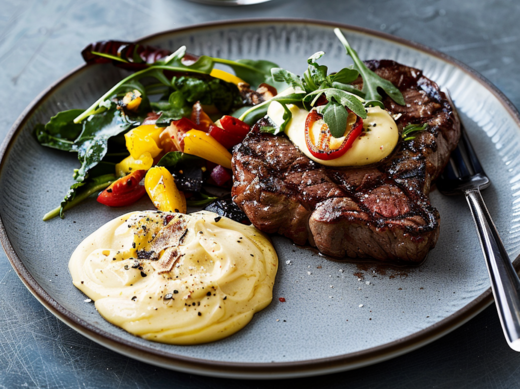

No, you are not making visual mistakes here and there are no labels to distinguish naturally farmed meat from cloned meat at your favorite Canadian supermarket. So, unless you have a trusted butcher, or hunt your own meat, you are on your own. Why?
According to documents published by Health Canada and the Canadian Food Inspection Agency (CFIA), the planned update to the Novel Foods framework will exclude cloned animals from the definition of “novel foods.”
“Consumers have the right to decide for themselves,”
This means there will be no label and therefore shoppers will not know nor have any choice as to what meat they are consuming, nor its origins. Health Canada plans to roll out this change in 2026, after meat from cloned animals and their offspring will no longer be classified as ‘novel foods.’
Meanwhile, Health Canada claims that cloned meat is indistinguishable from conventional meat and safe for human consumption.
“Consumers have the right to decide for themselves,” says Vincent Breton, duBreton CEO. “The government quietly changes the definition of a novel food, which means that unless it’s labeled organic, there is no way to distinguish brands that support animal cloning from brands that don’t. People want and deserve to know that.” says Breton.
Breton, a major certified humane and organic pork producer, is calling on responsible food brands to lead by example and adapt variable labeling protocols by giving consumers a clear choice to retain trust in Canadian food.
DuBreton also urges its supply chain partners to join them in being transparent about animal cloning and gene-edited production and help make responsibly raised pork accessible to all.
Cloned animals are made through assisted reproductive processes such as artificial insemination. That clone is then bred through normal reproduction, and its offspring eventually enter the food chain as meat, without shoppers having any idea what they are eating.
This is not just a Canadian problem, but an American one too. Here is why. The FDA has approved meat and milk from cloned cattle, swine, and goats, along with their offspring, since January 2008.
Almost two decades later, Americans are only now realizing that cloned meat has been part of the food supply since then.

Some Americans argued that if cloned meat is allowed, it must at least be labeled with its origin and how it was produced. Others are claiming they have unknowingly purchased cloned products and say the FDA has failed US consumers.
Some find the idea of clone meat repulsive, citing animal welfare, food safety, and ethical and religious objections. Others cite concerns over ethics, general unease with technology, and fears that this could lead to human cloning.
In Europe, cloned meat is not allowed for food production due to a ban on the cloning of farm animals and the sale of products derived from them. However, the FDA concluded that these foods are not materially different from traditional meat and dairy, and therefore, no special labeling is needed, which is the same reasoning Health Canada has given.
“It is a big step forward that has made impossible to possible.”
“It is a big step forward that has made impossible to possible,” said Falong Lu, an investigator at the State Key Laboratory of Molecular Developmental Biology,
Remember the first cloned sheep named Dolly in 1996? Well, China just became the first country to successfully clone Tibetan goats using the same process.
The next time you are in a meat-eating mood, be it for cooking or barbecue, it would be prudent to ask many questions before embarking on acquiring meat whose origins you are not sure of. As someone once said, this is a serious case of buyer beware.
Stay in the loop with exclusive news, stories, and insights—delivered straight to your inbox. No fluff, just real content that matters. Sign up today!