

BY AMARI SUKHDEO
So, you want to understand Canadian politics without the confusing jargon? No problem! Here’s a simple breakdown of how Canada’s government works and how elections decide who’s in charge.
Who’s in charge?
Canada has two key leaders:
- The King (King Charles III) – He’s technically Canada’s head of state, but he doesn’t actually run anything. His representative in Canada, the Governor General, is also mostly ceremonial.
- The Prime Minister (PM) – The Real Boss
The PM leads the country and makes major decisions. Right now, it’s Mark Carney, but this changes when a different party wins an election.
““Who’s in charge? How do elections work? And why don’t we vote for the Prime Minister directly?”
How Canada’s government works
Canada is a democracy, meaning people vote for their leaders. The country is run by a Parliament, which is like a giant debate club where laws are made.
Three levels of government:
Think of it like a layered cake:
- Federal Government (Big Boss) – Handles national issues like: immigration, defense, and money.
- Provincial Governments (Middle Bosses) – Take care of: education, healthcare, and highways.
- Municipal Governments (Local Bosses) – Manage: cities, including transit, garbage, and local police.
Political parties:

The Teams Competing for Power Canada has several political parties, but the main ones are:
- Liberal Party (Red Team) – Supports social programs and government spending.
- Conservative Party (Blue Team) – Focuses on lower taxes, business, and smaller government.
- New Democratic Party (Orange Team) – More left-leaning, pushing for free healthcare, education, and workers’ rights.
- Bloc Québécois (Quebec-Only Team) – Wants more independence for Quebec.
- Green Party (Eco-Friendly Team) – Focuses on climate change and the environment.
How elections work
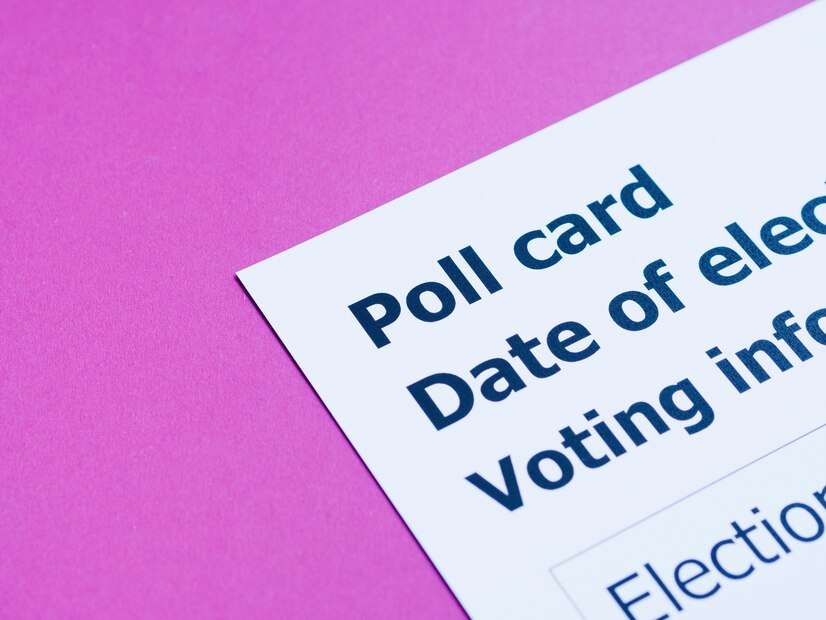
Canada has two main types of elections: federal and provincial. Federal Elections (Choosing the Prime Minister) Every four years (or sooner), Canadians vote in a federal election to choose their government, but they don’t vote directly for the Prime Minister. Instead, they vote for a Member of Parliament (MP) in their local riding (like a district).
Canada is divided into 338 ridings (voting areas). Each riding elects one MP to represent them in the House of Commons. The party that wins the most ridings gets to form the government, and its leader becomes the Prime Minister. If a party wins more than half the ridings (170+), they form a majority government and can easily pass laws. If they win fewer than 170, they form a minority government and need support from other parties to pass anything.
Provincial elections (Choosing the Premier)
- Each province has its own government, and elections work similarly to federal ones:
- Provinces are divided into ridings, just like in federal elections.
- People vote for a Member of the Legislative Assembly (MLA) (or MPP in Ontario, MNA in Quebec, and MHAs in Newfoundland and Labrador).
The party that wins the most seats forms the provincial government, and its leader becomes the Premier (like a Prime Minister, but for a province). The federal and provincial elections don’t always happen at the same time. Each province decides when to hold its own election, so you might vote for a new Prime Minister one year and a new Premier the next.
The bottom line
The Prime Minister runs the country, but Canadians vote for local MPs, not the PM directly. There are three levels of government (federal, provincial, municipal), each with different responsibilities. Political parties compete in elections, and the one that wins the most ridings forms the government. Federal and provincial elections work similarly, but they happen separately.
That’s it! Now you have a basic understanding of how Canadian politics works.
REFERENCES:
Stay in the loop with exclusive news, stories, and insights—delivered straight to your inbox. No fluff, just real content that matters. Sign up today!