



Editors Note: We’re adding new information to this story in the coming days. Stay tuned for updates.
Yes!
You read that correctly. Canada has begun laying the groundwork for a national Digital ID system, quietly framed as a matter of safety, efficiency, and modernization. While public debate remains limited, implementation has already begun. The question Canadians now face is simple: do they understand what is being built, and how quickly?
Governments around the world have embraced digital identification systems, and Canada has joined them. The rollout has not arrived all at once. Instead, it has taken shape province by province, policy by policy, and budget line by budget line.
At the federal level, the government has signaled its intent clearly. Anyone seeking federal benefits, including seniors receiving Old Age Security, will soon require digital identification. That shift alone places millions of Canadians on a new track, whether they asked for it or not.
“Efficiency has become the watchword. Oversight has not.”
In Prime Minister Mark Carney’s 2025 budget, Employment and Social Development Canada confirmed proposed amendments to the Department of Employment and Social Development Act. According to the department, these changes aim to “Enable the delivery of more integrated and efficient services across government.” Efficiency has become the watchword. Oversight has not.
As of late 2025, several provinces already operate advanced digital ID systems. British Columbia and Quebec lead the pack. Alberta follows closely behind. Ontario remains in development, though policy frameworks and consultations continue.
British Columbia operates one of the most mature systems in the country. Residents use the BC Services Card and BC Driver’s Licence through the eID-Me mobile app. The province supports digital ID use across public and private services and has eliminated physical stickers in favour of digital credentials. B.C. has positioned itself as a national leader in government-integrated digital identity.
Quebec passed Bill 82 in 2025, establishing the legal framework for a government-backed digital ID and digital wallet program scheduled for launch by 2028. The law emphasizes privacy protections and user control. It also mandates public consultation before biometric data collection. Quebec’s system will allow residents to access government services securely and may integrate with federal and private platforms.
Alberta’s MyAlberta Digital ID already functions as a trusted identity for federal government services. The program allows secure authentication and aligns with the national interoperability framework.
Ontario’s Digital ID program remains under development. The province has stated that participation will remain voluntary and privacy-focused, though no public rollout date exists. Officials continue consultations with both public and private stakeholders.
Municipal governments have entered the picture as well. Vancouver has begun piloting digital credentials for business licences and municipal services. The city works with provincial partners to expand credential use across sectors.
Taken together: British Columbia, Quebec, and Alberta already operate digital ID systems recognized for federal use. Ontario continues planning. Municipal pilots now fill in the gaps. The infrastructure exists. Expansion no longer appears hypothetical.
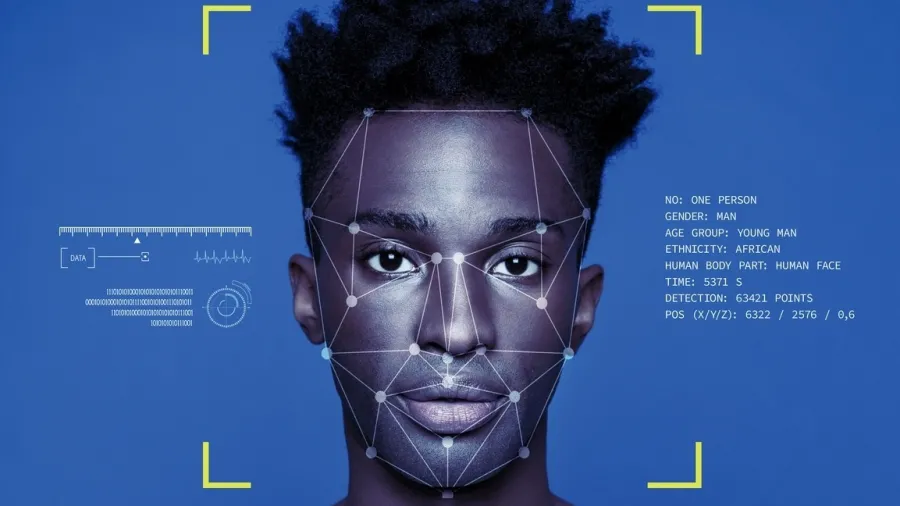
Before examining developments abroad, Canadians need clarity on what Digital ID actually means. In practice, a digital ID consolidates identity verification into a single credential. Often stored on a smartphone, that credential verifies access to services, benefits, financial platforms, and official records.

Critics raise concerns about scope. A single scan could expose personal data to government systems, including birth records, medical history, financial activity, and participation in public programs. Once centralized, access control becomes a policy decision rather than a personal one.
Globally, governments present Digital ID as a solution to fraud and inefficiency. Technology companies echo that message. Trinsic, a major digital identity platform, promotes “faster verification, reduced fraud, and smoother user experiences,” claiming digital IDs cut verification times from minutes to seconds.
What the pitch leaves out matters just as much. Marketing language rarely addresses denial of service, transaction restrictions, travel limitations, or financial controls. Programmable systems allow permissions to expand, or contract without user consent.
The global spread has accelerated. North America now tracks 48 digital ID schemes covering roughly 177 million adults. In the United States, mobile driver’s licences already operate in dozens of states. Europe tracks 89 systems serving about half its adult population, with the EU Digital Identity Wallet shaping the next phase.
Asia leads in scale. India’s Aadhaar system alone serves more than 1.3 billion users. Africa, the Middle East, South America, and Oceania continue rapid adoption. Global platforms now operate beyond national borders, including decentralized and Web3-based identity systems.
Trinsic plays a central role in this ecosystem. The company enables businesses to accept digital IDs, configure verification requirements, and comply with regional rules through a single platform. In effect, it simplifies global identity management at scale.
In Canada, the Digital ID & Authentication Council of Canada confirms the direction. The public-private coalition advances a “trusted Canadian digital economy” through industry-driven identity frameworks. It stewards the Pan-Canadian Trust Framework™, designed to align with global standards and support interoperability across sectors and borders.
That language signals intent. Digital identity serves as an optional convenience, and also functions as economic infrastructure.
“Your digital ID will become the only way power recognizes you. You will exist as a QR code.”
Former Pfizer vice president Dr. Michael Yeadon has issued blunt warnings. In a recent interview, he argued that Digital ID reshapes the relationship between individuals and power. “If you sign up for Digital ID, it will be the last really important decision you will ever make,” Yeadon said. “Your digital ID will become the only way power recognizes you. You will exist as a QR code.”
He warned that programmable systems allow authorities to restrict access based on behaviour, movement, or speech. “You are not a number,” he said. “You are an address to resources, and those resources remain editable.”
Whether one agrees with Yeadon’s conclusions or not, his remarks underscore the stakes. Digital ID systems change how access works. They centralize control. They scale quickly.
Canadians now face a choice point. Digital ID operates inside provincial systems, federal programs, and municipal pilots. The debate has arrived late. The rollout has not.
The issue is governance, consent, and limits. Canadians must decide whether convenience outweighs constant verification, and whether a digital key should unlock every door of civic life.
Stay in the loop with exclusive news, stories, and insights—delivered straight to your inbox. No fluff, just real content that matters. Sign up today!