


Connect with us

Subscribe

Subscribe

News & Views

Mind-Bending Molecule; Healing Brains Beyond Belief

“The question now isn’t whether these compounds have potential, but how quickly we can translate this knowledge into treatments.”

Photographer: Chris Smith

What if the key to healing your brain lies in substances once feared and misunderstood? For millions suffering from concussion and traumatic brain injuries, this question could be a potential lifeline.

Every year, an estimated 69 million people worldwide experience brain injuries from: sports collisions, falls, accidents, and violence. Despite these staggering numbers, effective treatments remain elusive, but what if we’ve been looking in the wrong places?

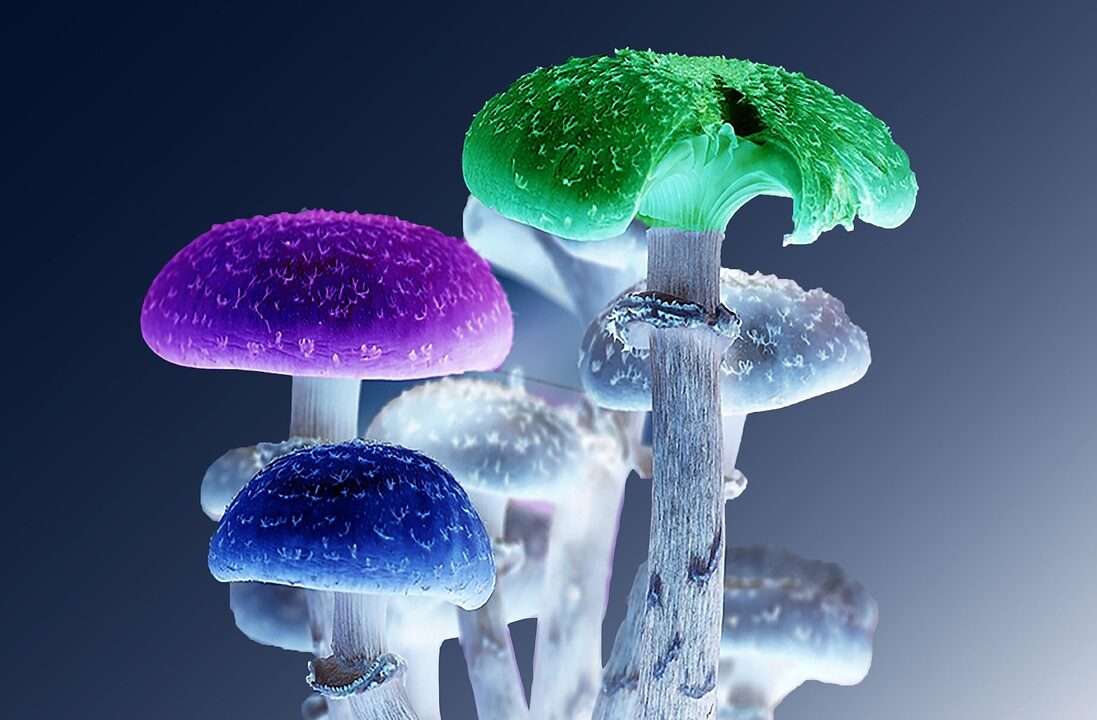
New research from the Christie Lab at the University of Victoria reveals something remarkable: two psychedelic compounds: psilocybin (found in certain mushrooms), and 5-MeO-DMT (present in toad venom and select plants) show extraordinary promise for healing brain injuries.

“These substances transform healing,” says Josh Allen, a UVic postdoctoral fellow in neuroscience and co-author of the groundbreaking review.

When your brain suffers trauma, it triggers inflammation, a natural response that, when prolonged, creates devastating consequences: memory problems, depression, anxiety, and PTSD. Even mild concussions can trap patients in what researchers call “rigid loops of thought and behavior.”

Here’s where the story takes an unexpected turn. These compounds work at a deeper level. They reduce harmful inflammation while enhancing neuroplasticity, your brain’s remarkable ability to reorganize itself by forming new neural connections.

The implications are profound. For athletes, military personnel, and accident survivors who have exhausted conventional options, psychedelics offer a pathway to genuine recovery.

How do they work? The answer lies in their dual action: reopening “windows of plasticity” in the brain while simultaneously inducing transformative psychological experiences. This combination helps prevent the very psychiatric disorders that often follow brain injuries.

While the research remains in early stages, the findings align with a decade of clinical studies demonstrating psychedelics’ safety and effectiveness for treating depression, anxiety, and other mental health conditions.

The question now isn’t whether these compounds have potential, but how quickly we can translate this knowledge into treatments. With healthcare systems stretched thin and patients desperate for solutions, the pressure to advance this research has never been greater.

As we stand at this frontier of neuroscience, one thing becomes clear: sometimes the most revolutionary solutions come from the most unexpected places. The journey from stigma to medicine continues, but for millions, it can’t happen soon enough.

Newsletter Signup

Stay in the loop with exclusive news, stories, and insights—delivered straight to your inbox. No fluff, just real content that matters. Sign up today!


Written By

Click to comment

Leave a Reply

Your email address will not be published. Required fields are marked *

Trending

The Warnings We Ignored

Featured Cover Story

What It Means to Be a Lifelong Supporter: Larry Weltman on Loyalty, Community, and the Beautiful Game

Sports

Sharon Marley Reclaims Her Voice

Women Empowered

Toronto Collides Into New Culture

Entertainment

Advertisement
Newsletter Signup

Stay in the loop with exclusive news, stories, and insights—delivered straight to your inbox. No fluff, just real content that matters. Sign up today!

Legal and Advertising Disclaimer: Advertisements, sponsored content, business listings and other promotional materials are supplied by third parties. Their publication does not constitute an endorsement, recommendation, representation, warranty or guarantee by TCN Now Inc. Advertisers and content providers are responsible for the accuracy, legality and substantiation of their claims and for obtaining all necessary copyright, trademark, privacy and other permissions. To the fullest extent permitted by law, TCN Now Inc., its directors, officers, employees, contractors and affiliates shall not be liable for any loss, damage, cost, expense or claim arising from third-party advertisements, products, services or promotional content. TCN Now Inc. reserves the right to refuse, edit, suspend or remove advertising or promotional content at its discretion. Editorial and Content Disclaimer: The opinions, commentary and viewpoints expressed in signed articles, columns, letters, guest submissions and other contributor content belong to the respective authors and do not necessarily reflect the opinions or views of TCN Now Inc., its directors, officers, employees, editors or affiliates. Content published by TCN Now Inc. is provided for general informational purposes only and is not intended as legal, financial, medical or other professional advice. While reasonable efforts are made to ensure accuracy, TCN Now Inc. does not guarantee that all information will be complete, current or free from error. To the fullest extent permitted by law, TCN Now Inc. disclaims liability for losses or claims arising from reliance upon contributor opinions, third-party submissions or general informational content. Copyright © 2026 TCN Now Inc. All rights reserved. Unless otherwise stated, the text, photographs, graphics, logos, designs and other original content appearing on this website are owned by or licensed to TCN Now Inc. and may not be copied, reproduced, republished, distributed, modified or commercially used without prior written permission, except as otherwise permitted by law. Third-party names, logos, trademarks and content remain the property of their respective owners.

Connect
Newsletter Signup

Stay in the loop with exclusive news, stories, and insights—delivered straight to your inbox. No fluff, just real content that matters. Sign up today!