


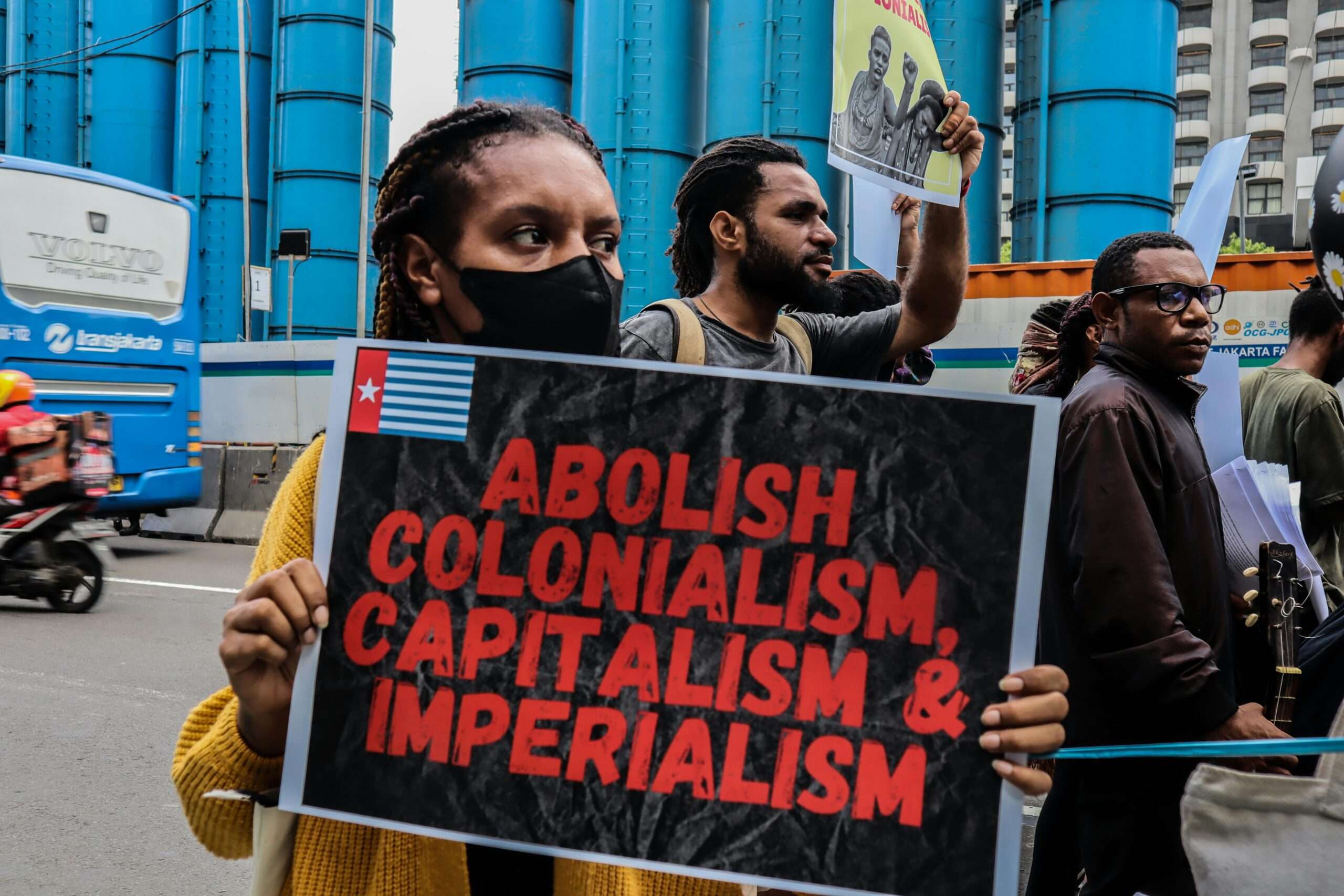

Superpowers are deploying corporate strategy teams to dominate smaller nations (politically and financially) through calculated investment and control. These nations often lack the capital and expertise to rebuild critical infrastructure: roads, bridges, transit hubs, electrical grids, ports, and power plants. That’s where countries like China step in, not purely as benefactors, but as global players executing a long game.
China’s approach is strategic. Under the guise of partnership, it offers political and financial incentives to countries in dire need of modernization. The endgame is influence. These projects are threads in China’s broader geopolitical web, connecting it to key European and Asian markets.
Nations like Serbia, Bulgaria, Congo, Kenya, and the Caribbean Basin are targets for this brand of “generous” investment. With limited alternatives, they accept offers wrapped in promises, and shackled with consequences. Barbados, for example, is receiving significant loans and technical assistance for its national rebuild. These deals come at a steep price.
Every Chinese corporation is tethered to the Chinese state. They owe allegiance to Beijing, not their clients. This allegiance translates into influence: Chinese companies working in Barbados are now embedded in its public infrastructure, and where Chinese money flows, control soon follows.
Once a superpower’s team gets through the door, reversing its influence becomes nearly impossible.
Antigua, Jamaica, Barbados, Cuba, and Trinidad and Tobago have received billions in Chinese investments. Why is China moving so aggressively? Well, because all superpowers are locked in a quiet war, fighting not with guns, but with contracts, concessions, and construction.
Some superpowers enable corporations to operate autonomously. Others, like China, blend business with foreign policy. To unlock China’s billions, countries must align with Beijing’s international image. That means staying silent, or even supportive, of China’s domestic and global actions.
Take Jamaica. After receiving massive investments, it’s unlikely to publicly challenge China on human rights or foreign policy. Silence becomes a form of currency. Approval becomes diplomacy.

Across Africa and the Middle East, China and Russia have taken this further embedding troops under the guise of security. China has stationed over 100,000 troops in countries like Africa, Cambodia, and Tajikistan, protecting mining operations. Russia has special forces stationed in 14 designated economic zones. These troops often function as unofficial mercenaries, legitimized by weak host governments.
The United States projects its influence differently, with scale. America has 128 military bases in more than 55 countries. The UK maintains at least 13, but there are two primary channels for global dominance:
Military power:
Foreign bases allow superpowers to assert control over host nations and extend regional influence. These are levers of pressure.
Economic power – Tariffs and trade:
Superpowers use foreign investment as a vehicle for influence. American corporations invest abroad to expand profits and secure U.S. interests. Tariffs, in particular, are a strategic weapon. If you want access to the U.S. market, you’d better toe the line.
American power ripples northward into Canada through financial institutions and critical infrastructure. While little is publicly known, U.S. systems can disrupt Canadian power grids. American labor unions, which influence their Canadian counterparts, could potentially halt port operations or freeze transit networks.
Though the U.S. has only used tariffs to penalize Canada economically, it holds deeper, quieter forms of leverage. When you ally with a superpower, you inherit more than money. You inherit obligation.
In plain terms, the smaller country becomes subordinate in finances, politics, social structure, and even cultural policy. The U.S., for example, is increasingly streamlining efforts to exclude non-white immigrants. If Canada aligns too closely, what does that mean for its multicultural identity?
Meanwhile, former colonial powers have never truly left. France maintains enormous political and economic clout in Africa; just as it did centuries ago. Spain continues to hold sway in Latin and Central America. Colonialism didn’t end. It simply evolved into infrastructure deals, political lobbying, and strategic debt.
Stay in the loop with exclusive news, stories, and insights—delivered straight to your inbox. No fluff, just real content that matters. Sign up today!