BY: SIMONE SMITH
I have been asked to really start putting my thoughts out there about my personal experiences and the experiences of others that I encounter. Now, I pride myself on confidentiality, so know that if we ever have a conversation, you will not end up in The Toronto Caribbean Newspaper.
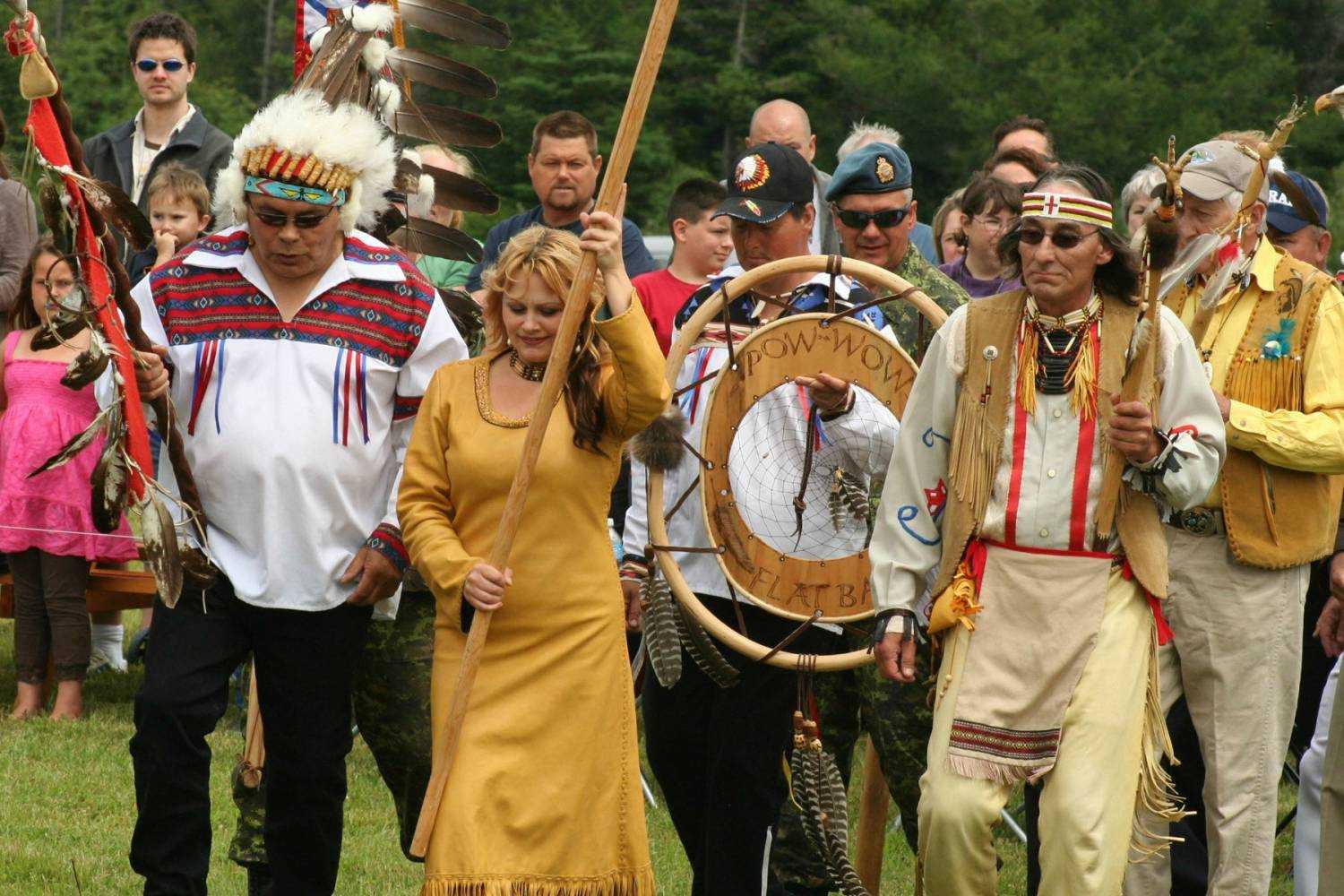
I most recently began an Aboriginal Studies Class. I have always been fascinated by their culture, but since this class, I am even more fascinated with their history. Why you may ask? Well, once you hear a little about their experiences, it will all make sense. Understanding the Aboriginal experience here in Canada would be difficult for most. Imagine going through countless years of systemic violence; watching people who don’t look like you or act like you come into your home and take what you have. There is a loss of identity and feelings of displacement because you are driven from your home. You are then forced to live in poverty-stricken circumstances, as you watch this invader waste your resources; food and destroy valuable parts of your heritage. To top it all off, the invaders of then begin to implement unjust laws without even asking for your consent. You watch members of your community being taken away; children being abducted out of their homes; you might be a parent, forcefully imprisoned because you would not let the invaders take your child from you. Does this sound familiar to anyone? Well, this sounds a lot like the African History as well doesn’t it? Let’s delve into a little more.
Aboriginals in North America and in other parts of the world including Australia and the West Indies were victims to very bold colonial practices, which demonstrated a type of hierarchical hegemony that privileged Eurocentric values of ownership, capitalism, and individualism (Shewell, as cited in Brien, 2016). It is no surprise that up until this very day, colonial institutions, ideas, and practices combine and continue to systematically control and regulate the Aboriginal community. Is the Aboriginal community in a perpetual state of trauma because of colonial-based human rights violations, rooted in systemic violence and racism (Amdur, 2011)? The government continues to ignore the serious psychological effects of colonial practices in the Aboriginal community; the Canadian government must be held accountable for the high levels of Aboriginals currently incarcerated, because of unjust legislative practices, invasive assimilation policies and colonial disruption of cultural practices.
Research has established that many social issues that have arisen in the Indigenous community are related to colonial disruptions and the ongoing erosion of their human rights (Adelson, 2005; D’Souza, 1994: Tarantola, 2007 as cited in deLeeuw et al., 2009). Residential schooling has been referred to as Canada’s “national crime” (Milloy, 1999 as cited in deLeeuw et al., 2009). It involved removing Indigenous children from their homes and placing them into Christian centered schooling. By 1927, the Indian Act included provisions for punishing parents who did not send their children to residential schools ranging from fines to actual imprisonment (Government of Canada as cited in deLeeuw et al., 2009). The infamous Sixties Scoop involved abducting Indigenous children and putting them into white foster families. Children in both situations suffered physical, emotional and spiritual abuse. The loss of language and cultural fluency was the outcome of such practices. This cultural trauma and lack of social cohesion translated into higher rates of family violence and addictions. To this day, the federal government still effectively tells Canada’s Indigenous people what their justice system should look like.
I am going to put out a challenge to my history buffs; I want you to do some research on how this article compares to the African experience. For those who have studied our history, you will find glaring similarities. For those who have not studied our history, this research will surprise you.