


In the quiet margins of Canadian life, beyond headlines about housing, or healthcare, another battle is unfolding one that targets perception itself. For generations, the African Caribbean community in Canada has faced strategies of control that extend far beyond policy, or policing. These are psychological operations, or PsyOps, information campaigns designed to steer belief, emotion, and behaviour, often without the target ever noticing.
Military manuals describe PsyOps through a simple formula: Information → Belief → Emotion → Behaviour. Whatever enters the mind as narrative becomes internalized truth. Once belief and emotion are influenced, behaviour follows. Historically, these methods were used to weaken enemies during wartime, but the modern battlefield is civilian life (politics, media, and culture) and the effects on communities of Afro/Indo Caribbean descent are profound.
Whatever enters the mind as narrative becomes internalized truth.
The architecture of psychological operations predates the digital era. Its early blueprints can be found in colonial rules and the slave economy, where fear, obedience, and internalized inferiority were cultivated through deliberate narrative engineering. Enslaved Africans were told, through religious reinterpretations and pseudo‑science, that servitude was their natural condition. I want you to know that message was informational warfare.
Through the 20th century, propaganda evolved into subtler forms. Cinema and news media reinforced racial hierarchies under the guise of entertainment, or public order. Noam Chomsky’s critique of mass media as a system that “manufactures consent” remains painfully relevant; information flows were designed to normalize inequality while branding resistance as radical, or irrational.
In Canada, this dynamic manifested through coverage that spotlighted crisis over contribution. The Caribbean student was portrayed as a threat to discipline, the African activist, a disruptor of peace. By consistently framing African identity within moral panic, information shaped emotion, and emotion shaped public policy.
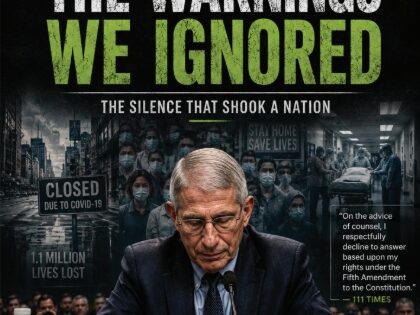
In the 21st century, PsyOps have migrated online. Where printed leaflets once targeted armies, today’s memes and viral videos target entire demographics. Analysts note that: disinformation, misinformation, and malinformation function as layered tools: one spreads lies, another spreads errors, and the third distorts partial truths. Together, they build an emotional environment in which trust collapses.

Foreign and domestic actors have both exploited this climate. Within multicultural states like Canada, diaspora identities create entry points for influence. Narratives that pit Caribbean immigrants against African newcomers, or that feed skepticism toward African civic leadership, fracture communities at their strongest points, their diversity and shared struggle.
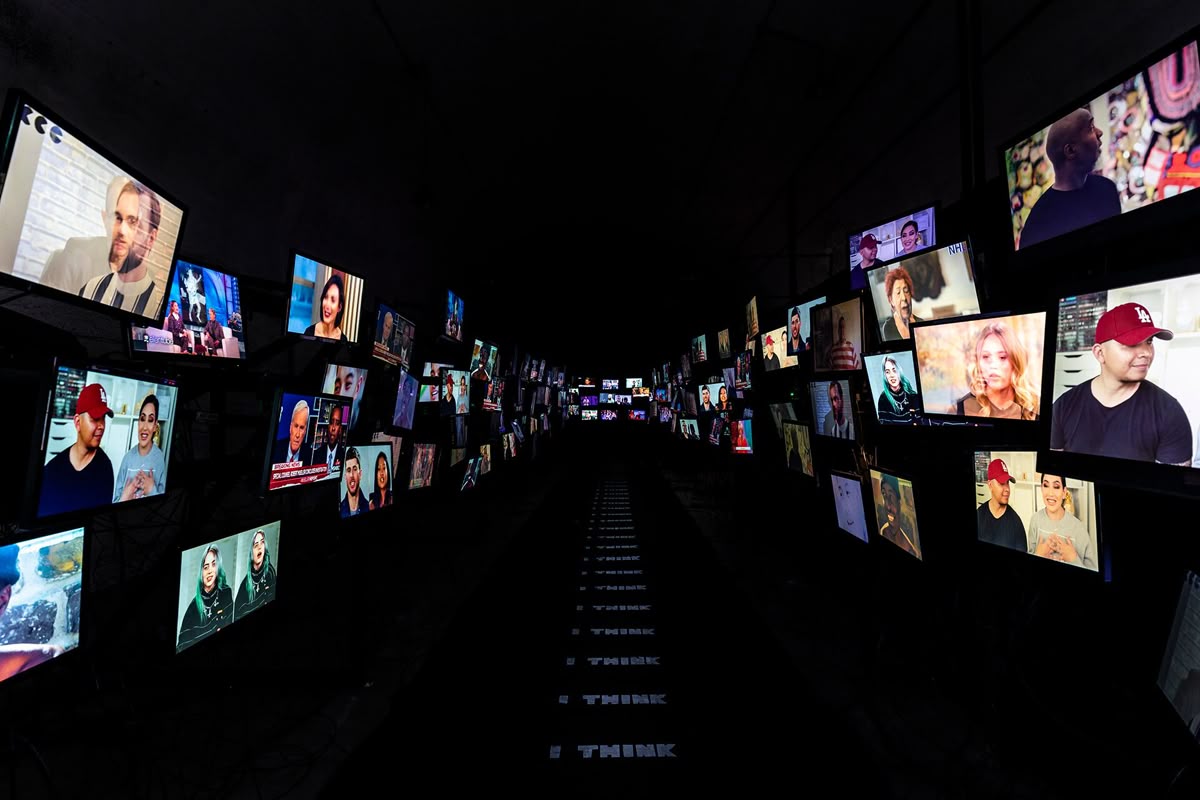
Social media algorithms reward outrage, magnifying psychological stress. Each click reinforces what a target audience already fears, or rejects. In this sense, PsyOps no longer require agents in trench coats; the system trains itself. Information warfare becomes self‑propelling, deepening the sense of fatigue that many Afro/Indo Caribbean Canadians describe when engaging with civic discourse.
Awareness is survival.
Awareness is survival. To counter these operations, the Afro/Indo Caribbean community must invest in information sovereignty: producing, verifying, and disseminating its own narratives grounded in truth. Independent Afro/Indo Caribbean media and community platforms serve as crucial firewalls against manipulation.
Critical media literacy must extend beyond spotting “fake news.” It means questioning who benefits from every message and whose silence makes that message possible. It also means nurturing intra‑community dialogue that emphasizes shared interests over imposed divisions. Scholars, journalists, and historians within the diaspora have an ethical imperative to trace endurance: the art, scholarship, and mutual aid that have persisted despite systemic psychological warfare.
The unseen struggle for the mind is not new but recognizing it reshapes how we fight for human dignity. Understanding psychological operations as political tools restores the agency they attempt to erode.
Stay in the loop with exclusive news, stories, and insights—delivered straight to your inbox. No fluff, just real content that matters. Sign up today!