



BY BRITTNEY CHANNER
Hey Everyone! Can you believe that 2019 is almost over? I feel like it came and left within a blink of an eye. Well, I would like to take this time to thank all the readers for your continued support of the Toronto Caribbean Newspaper and faithful readership. It is greatly appreciated and I believe that as a community, we can all learn from each other. This week, I would like to take the time to talk about an issue that is frequently ignored amongst the media. It continues to be an issue within the social justice community and quite frankly, who would I be if I didn’t take this opportunity to address it and educate?
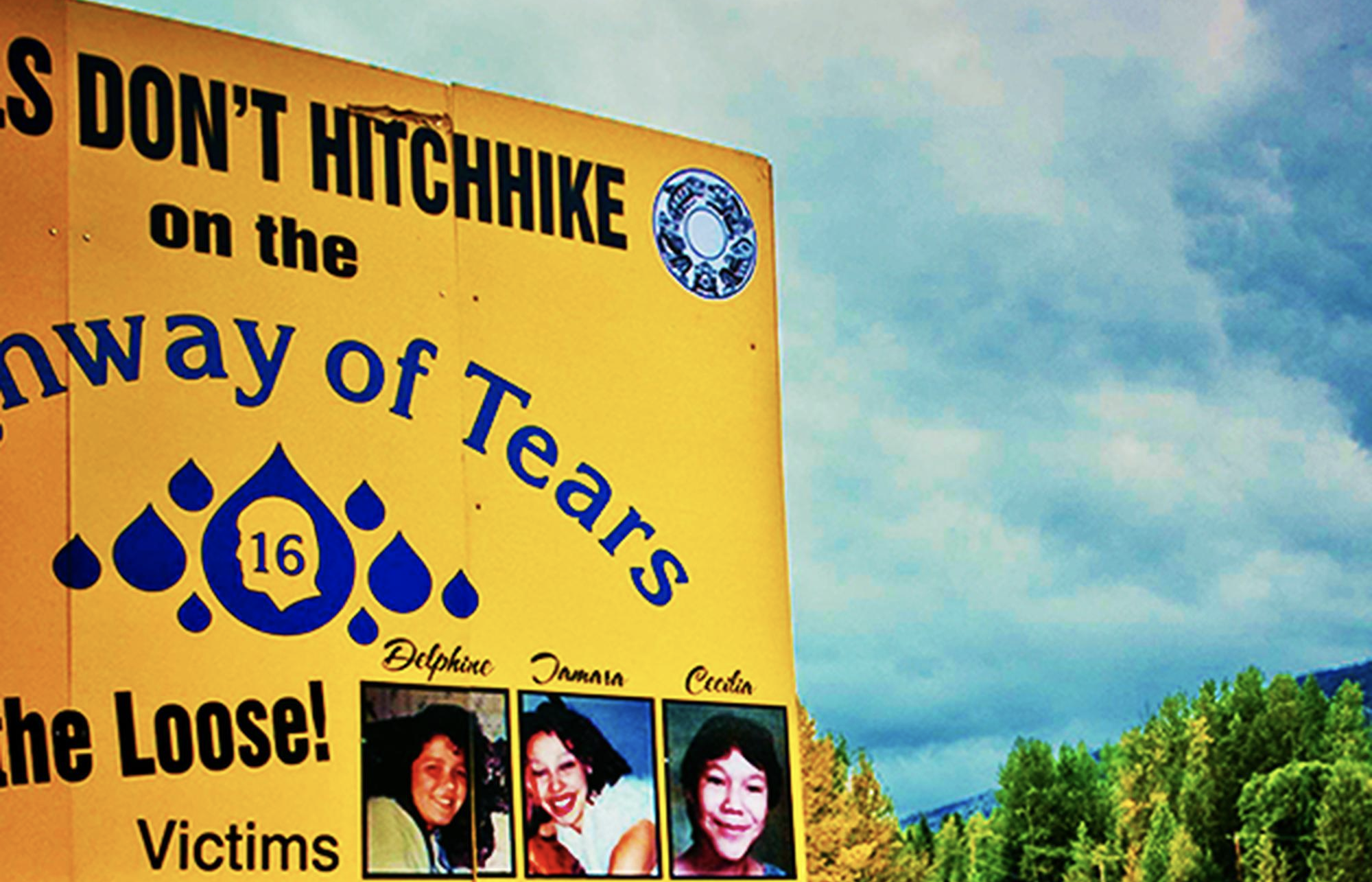
The Highway of Tears may sound like your average make believe thriller novel, however, what it is in actuality is anything but fiction. The term Highway of Tears refers to a section of the Yellowhead Highway 16 located on the northwest coast of British Columbia. Along this highway strip, approximately twenty-three First Nation communities can be found bordering Highway 16. The region surrounding this area has lacked substantial access to transportation which forced many locals within the area to resort to hitching along this highway strip. Because of this fact, dozens of Canadian women and young girls of Indigenous descent have disappeared or have been found murdered near Highway 16. This has sparked outcry amongst many activists calling for answers to such an alarming issue.

From 1989 to 2006, it was reported that nine young women were found missing or murdered along highway 16; however it has been argued that the exact amount of women who have gone missing or turned up dead is relatively higher. The Royal Canadian Mounted Police (RCMP) determined in a report that there were eighteen murders and/or disappearances along this stretch of highway dating back to 1969 and may potentially include other well known highways within the local area such as highway 97 and 5 in British Columbia.
Nevertheless, many Indigenous activists argue that the number given by the RCMP is mistaken and instead forty women and counting represent a more accurate figure. This ongoing human rights crisis has become a topic of interest within the media as of recently calling into question the government’s urgency of such a sensitive matter. To this date, it has been estimated that up to 4,000 women have disappeared or have been murdered along this stretch of highway and areas around it.
In 2015, the Canadian government finally responded after much attention and announced that it would promise to launch an inquiry into missing and murdered Indigenous women and girls. This involved meetings with a variety of people such as the families of the victims, front-line workers and representatives of the Indigenous community in order to determine how the inquiry would be structured. By 2016, the Canadian government officially commenced its national inquiry with the goal of addressing the disproportionate high violence towards Indigenous women and girls. It also set out to focus on violence prevention methods as well as addressing the issues of systematic and societal discrimination that is faced by Indigenous populations.
After years of constant exploration into this issue, a final report regarding the National Inquiry into Missing and Murdered Indigenous Women and Girls in 2019 stated that the inactions/actions of the government are rooted in colonialism and superiority ideologies which resulted in the high level of violence directed at First Nations, Indigenous and Métis women. The inquiry also called for a number of recognitions, one of them being a call for Canadians to speak out against violence against Indigenous women and girls by acknowledging their history and culture.
The history behind the Highway of Tears continues to serve as a painful reminder of the lack of attention that is received regarding the issues of the Indigenous population. Let it remind us that although great efforts are being made toward equality, there is still much work to be done. The 650 words provided in this article is not enough to describe the plight of this situation in greater detail, however, I do encourage you all to do more research on this issue and familiarize yourselves with the concerns and social issues of disadvantaged groups whose voices are rarely heard.
Stay in the loop with exclusive news, stories, and insights—delivered straight to your inbox. No fluff, just real content that matters. Sign up today!