

Connect with us

Subscribe

Subscribe

Caribbean History

Use of words related to African enslavement in the Americas

BY DESMOND BOLLERS

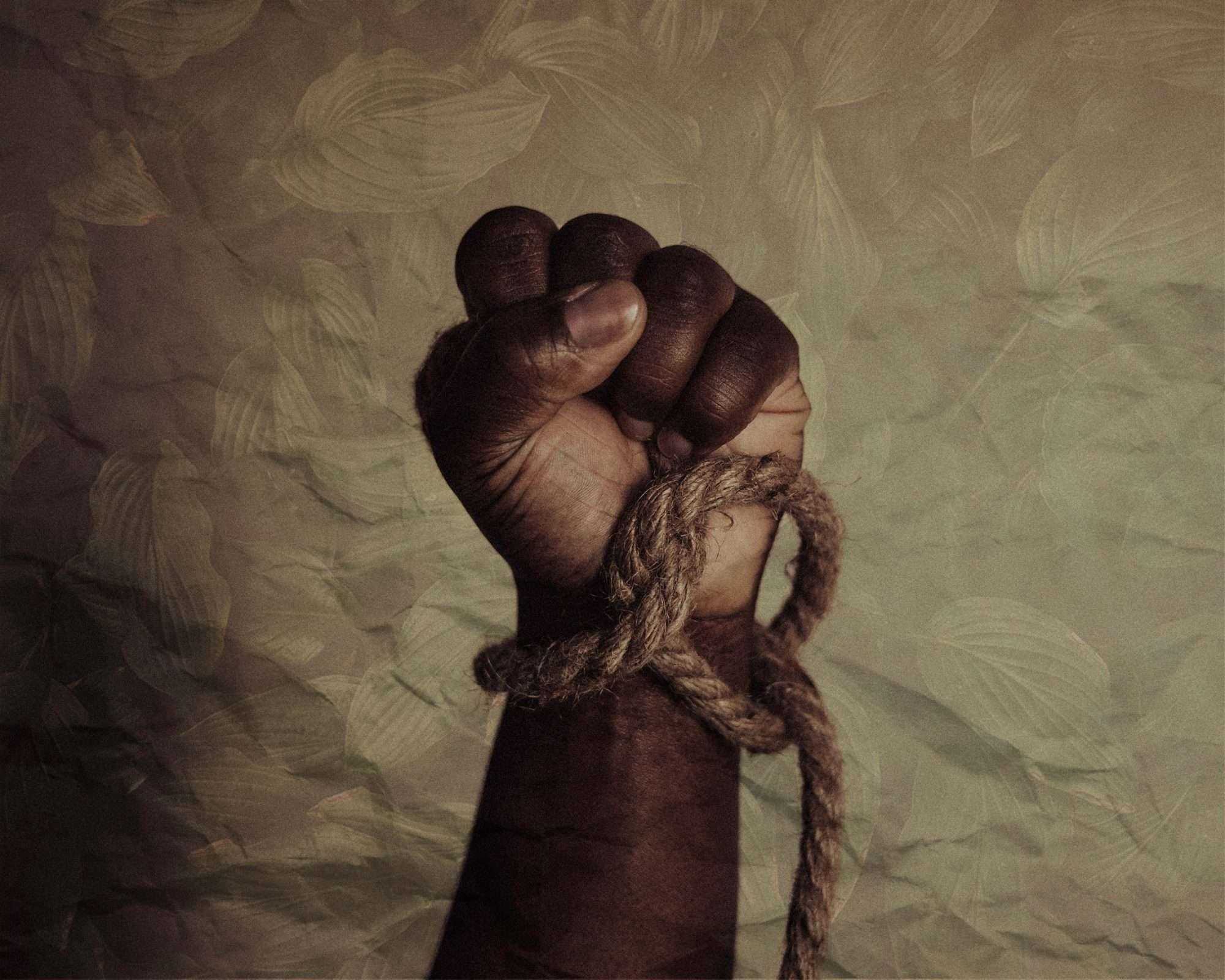
In an effort to diminish the heinousness of the crime against humanity represented by slavery, White supremacists have propagated the false narrative that the Africans who were transported across the Atlantic between 1500 and 1850 had already been slaves in Africa therefore no one should have a problem with slavery in the Americas.

We Africans, both in the Americas and in Africa, need to be careful regarding the language we use lest we unwittingly subscribe to and promulgate that false narrative.

Take the use of the terms ‘slave trade’, ‘slave traders’ and ‘slave ships’ to refer to the trafficking of kidnapped Africans across the Atlantic, the persons who engaged in that horrific endeavour, and the ships that transported the kidnap victims. We need to characterize the whole system correctly.

The Africans were not slaves in Africa. The Europeans through threats or bribery captured them in inter-tribal wars. Therefore, the persons transporting these kidnap victims/prisoners of war across the Atlantic were not ‘slave traders’ they were human traffickers. The ships were human trafficking vessels, and the trade was human trafficking not ‘slave trading’. Our ancestors did not become enslaved until they were sold in the ‘slave markets’ after landing in the Americas at which point, they became enslaved Africans.

We never talk about ‘Irish indentures’ or ‘the indentures’ when speaking about the indentured Irish, so why don’t we accord Africans the same respect and refrain from using the terms ‘African slaves’ or ‘the slaves’ to refer to the enslaved Africans.

Similarly, we should never use the terms ‘slave revolt’ or ‘slave uprising’ to refer to their attempts to gain their freedom. Rather those were revolts or uprisings by enslaved Africans.

Another example of the way in which Whites use language to influence our thinking about slavery is when they use the term “running away” as if they were unhappy or disgruntled children running away from home.

We wouldn’t say that Papillon “ran away” from Devil’s Island or that prisoners of war “ran away” from POW camps. Enslaved Africans did not “run away” from plantations or mines, they escaped. Escaping or even planning an escape required tremendous courage, determination, and fortitude. The dangers included being tracked by Black Miskito/Miskito Zambo trackers and being torn apart by Cuban “Bloodhounds” which were not actually bloodhounds but were attack dogs (Dogo Cubano) bred specifically to hunt Africans.

Similarly, we should never say that “Slaves were imported into country x.” This information should be rendered as “Kidnapped Africans were trafficked to country x and sold into slavery.”

So, to sum it up, we need to think carefully about the message we are conveying when we use the words racist Whites have deliberately associated with slavery.

Newsletter Signup

Stay in the loop with exclusive news, stories, and insights—delivered straight to your inbox. No fluff, just real content that matters. Sign up today!


Written By

Click to comment

Leave a Reply

Your email address will not be published. Required fields are marked *

Trending

The Warnings We Ignored

Featured Cover Story

What It Means to Be a Lifelong Supporter: Larry Weltman on Loyalty, Community, and the Beautiful Game

Sports

Sharon Marley Reclaims Her Voice

Women Empowered

Toronto Collides Into New Culture

Entertainment

Advertisement
Newsletter Signup

Stay in the loop with exclusive news, stories, and insights—delivered straight to your inbox. No fluff, just real content that matters. Sign up today!

Legal and Advertising Disclaimer: Advertisements, sponsored content, business listings and other promotional materials are supplied by third parties. Their publication does not constitute an endorsement, recommendation, representation, warranty or guarantee by TCN Now Inc. Advertisers and content providers are responsible for the accuracy, legality and substantiation of their claims and for obtaining all necessary copyright, trademark, privacy and other permissions. To the fullest extent permitted by law, TCN Now Inc., its directors, officers, employees, contractors and affiliates shall not be liable for any loss, damage, cost, expense or claim arising from third-party advertisements, products, services or promotional content. TCN Now Inc. reserves the right to refuse, edit, suspend or remove advertising or promotional content at its discretion. Editorial and Content Disclaimer: The opinions, commentary and viewpoints expressed in signed articles, columns, letters, guest submissions and other contributor content belong to the respective authors and do not necessarily reflect the opinions or views of TCN Now Inc., its directors, officers, employees, editors or affiliates. Content published by TCN Now Inc. is provided for general informational purposes only and is not intended as legal, financial, medical or other professional advice. While reasonable efforts are made to ensure accuracy, TCN Now Inc. does not guarantee that all information will be complete, current or free from error. To the fullest extent permitted by law, TCN Now Inc. disclaims liability for losses or claims arising from reliance upon contributor opinions, third-party submissions or general informational content. Copyright © 2026 TCN Now Inc. All rights reserved. Unless otherwise stated, the text, photographs, graphics, logos, designs and other original content appearing on this website are owned by or licensed to TCN Now Inc. and may not be copied, reproduced, republished, distributed, modified or commercially used without prior written permission, except as otherwise permitted by law. Third-party names, logos, trademarks and content remain the property of their respective owners.

Connect
Newsletter Signup

Stay in the loop with exclusive news, stories, and insights—delivered straight to your inbox. No fluff, just real content that matters. Sign up today!